" height="32.00002387147419px" id="gZXGZYql_" transform="translate(0 0)" width="33.17407881260548px"/><path d="M 2.085 0 C 2.398 0.09 2.616 0.346 2.862 0.551 C 4.463 1.882 5.328 4.198 4.692 6.221 C 4.23 7.692 2.854 8.429 1.559 9.077 C 0.984 9.294 0.604 9.374 0 9.506 C 1.261 7.006 2.053 5.972 0.077 3.616 C 0.93 2.522 1.608 1.302 2.085 0 Z" fill="rgb(255, 255, 255)" height="9.505700000000001px" id="cmY0ROQXE" transform="translate(26.962 11.764)" width="4.902088461320112px"/><path d="M 2.786 0.079 C 4.516 -0.195 6.882 0.235 8.153 1.529 C 9.314 2.711 9.449 4.074 9.45 5.641 L 8.055 4.448 C 7.13 3.7 6.366 3.236 5.22 2.863 C 2.88 2.103 1.689 2.46 0 0.491 C 0.949 0.332 1.831 0.191 2.786 0.079 Z" fill="rgb(255, 255, 255)" height="5.640822256039236px" id="QF25qHlEr" transform="translate(19.227 1.379)" width="9.450099999999999px"/><path d="M 5.655 0 C 5.917 0.113 5.862 0.633 5.911 1.004 C 6.04 2.045 6.387 3.046 6.929 3.943 C 5.131 4.63 3.592 5.19 1.733 4.47 C 0.726 3.926 0.319 3.27 0 2.213 C 2.759 1.595 3.154 1.371 5.655 0 Z" fill="rgb(255, 255, 255)" height="4.806175899027007px" id="kqgl_H_Bc" transform="translate(10.595 23.332)" width="6.928799999999999px"/><path d="M 0 0 C 0.65 0.017 1.138 0.041 1.491 0.654 C 3.245 3.701 4.719 4.269 8.278 3.546 C 7.879 3.861 7.49 4.137 7.076 4.431 C 6.222 4.957 5.254 5.271 4.254 5.345 C 1.023 5.561 0.155 2.656 0 0 Z" fill="rgb(255, 255, 255)" height="5.356585200702476px" id="A5o1AXt5e" transform="translate(7.901 25.553)" width="8.277719999999999px"/><path d="M 1.582 0 C 1.889 0.239 1.638 0.793 1.582 1.267 C 1.337 3.362 1.705 4.763 2.654 6.583 C 2.182 7.09 1.586 7.662 1.092 8.161 L 0.98 8.239 L 0.826 8.184 C -0.289 5.719 -0.489 2.026 1.582 0 Z" fill="rgb(255, 255, 255)" height="8.23884px" id="K4X1nlNhw" transform="translate(1.373 8.977)" width="2.6544824443243806px"/><path d="M 4.879 0 L 5.154 0.02 C 5.173 0.055 5.191 0.089 5.21 0.124 C 4.076 1.11 3.076 1.841 2.163 3.07 C 0.899 4.77 1.042 6.073 0.594 7.936 C -0.71 7.351 0.477 3.227 0.911 2.183 C 1.385 1.046 3.753 0.398 4.879 0 Z" fill="rgb(255, 255, 255)" height="7.93632px" id="iX1WuEJsS" transform="translate(4.258 5.422)" width="5.209503656189256px"/><path d="M 0.891 0 C 1.252 0.397 0.785 0.972 2.043 1.993 C 3.579 2.288 5.164 2.203 6.66 1.745 C 6.19 2.232 5.777 2.59 5.268 3.03 C 5.209 3.074 5.149 3.118 5.09 3.162 C 3.442 4.368 1.179 3.903 0 2.267 C 0.206 1.503 0.429 0.651 0.891 0 Z" fill="rgb(255, 255, 255)" height="3.840138803869854px" id="EYhSkzb98" transform="translate(10.639 14.254)" width="6.660399999999999px"/><path d="M 5.7 0 L 5.862 0.129 C 5.871 0.163 5.899 0.278 5.896 0.313 C 5.7 2.553 3.858 4.223 1.838 4.943 C 1.312 5.131 0.79 5.181 0.227 5.231 C 0.062 5.156 0.114 5.18 0 5.006 C 0.058 4.568 2.368 2.938 2.85 2.535 C 3.828 1.716 4.745 0.832 5.7 0 Z" fill="rgb(255, 255, 255)" height="5.230699999999999px" id="rR3aItzbE" transform="translate(20.021 22.535)" width="5.895938333146585px"/><path d="M 1.798 0.061 C 2.392 -0.019 3.597 -0.071 4.125 0.244 C 4.638 0.944 4.484 2.507 3.821 3.106 C 3.426 3.233 3.583 3.227 3.161 3.071 C 2.323 2.592 0.895 1.713 0 1.493 C 0.65 0.799 0.954 0.488 1.798 0.061 Z" fill="rgb(255, 255, 255)" height="3.1951027036145305px" id="IMle10bWj" transform="translate(15.146 10.535)" width="4.430712176398055px"/><path d="M 0.018 0 C 0.282 0.063 1.864 1.126 2.331 1.364 C 3.197 1.804 3.346 1.876 4.34 2.173 C 4.251 2.864 4.215 3.588 4.169 4.285 C 3.236 4.526 0.886 2.837 0.45 1.956 C 0.031 1.109 -0.041 0.914 0.018 0 Z" fill="rgb(255, 255, 255)" height="4.308168324411934px" id="pheoyshQj" transform="translate(2.312 19.986)" width="4.339817240842605px"/><path d="M 0 0.027 C 0.439 0.014 1.2 -0.035 1.608 0.043 C 3.315 0.369 2.426 2.559 2.106 3.651 C 2.035 3.895 2.003 4.098 1.809 4.257 C 0.598 4.238 0.09 0.995 0 0.027 Z" fill="rgb(255, 255, 255)" height="4.257278283966036px" id="y4SOtrApl" transform="translate(22.564 5.982)" width="2.6241732006357594px"/><path d="M 2.53 0 C 3.199 0.233 4.697 4.443 1.642 3.339 C 0.801 2.889 0.575 2.665 0 1.9 C 0.709 1.252 1.74 0.538 2.53 0 Z" fill="rgb(255, 255, 255)" height="3.5230979695442386px" id="taMdD9ETv" transform="translate(22.166 17.775)" width="3.4914692646924834px"/><path d="M 1.922 0 L 2.08 0.004 C 2.445 0.65 1.939 4.817 0.934 5.155 L 0.716 5.046 C -0.285 2.784 -0.525 1.194 1.922 0 Z" fill="rgb(255, 255, 255)" height="5.154800000000002px" id="udg1KI2m_" transform="translate(17.619 21)" width="2.1985109419737654px"/><path d="M 0.58 0 C 0.964 0.148 2.564 1.331 3.056 1.648 L 1.563 3.194 C 0.988 3.708 0.635 3.938 0 4.353 C 0.455 2.537 0.619 1.856 0.58 0 Z" fill="rgb(255, 255, 255)" height="4.353200000000001px" id="hiTtHQeFA" transform="translate(20.577 20.867)" width="3.055799999999998px"/><path d="M 0.966 0 C 1.582 0.047 3.874 0.689 3.937 1.412 C 3.75 1.663 3.405 1.698 3.09 1.773 C 2.282 1.958 0.27 2.516 0 1.461 C 0.092 0.94 0.569 0.343 0.966 0 Z" fill="rgb(255, 255, 255)" height="2.0860744736189787px" id="opNh2nfUr" transform="translate(13.15 13.09)" width="3.9368px"/><path d="M 3.076 0 L 3.294 0.079 L 3.342 0.207 C 2.908 1.051 2.415 1.797 1.984 2.692 C 1.434 3.834 1.003 5.282 0.264 6.258 C 0.071 6.168 0.14 6.22 0.007 6.032 C -0.126 4.485 1.706 0.885 3.076 0 Z" fill="rgb(255, 255, 255)" height="6.258489999999999px" id="EXvZ1NrdY" transform="translate(5.901 7.504)" width="3.3417542024784233px"/><path d="M 1.308 0 C 1.265 -0.04 2.536 3.529 2.776 4.008 C 2.361 3.821 2.001 3.628 1.6 3.413 C -0.431 2.074 -0.528 1.77 1.308 0 Z" fill="rgb(255, 255, 255)" height="4.007940350226239px" id="p5Vi1bLFm" transform="translate(3.356 16.691)" width="2.7756652348500186px"/><path d="M 0.588 0 C 0.712 0.037 0.813 0.085 0.929 0.142 C 1.465 0.403 1.872 0.872 2.054 1.44 C 2.263 2.103 2.018 2.498 1.384 2.679 L 0 3.028 C 0.272 2.132 0.442 0.93 0.588 0 Z" fill="rgb(255, 255, 255)" height="3.0282500000000008px" id="V_zCzpfyC" transform="translate(25.759 6.998)" width="2.126652647905342px"/><path d="M 2.102 0 C 2.802 0.107 3.532 0.768 4.104 1.212 C 2.902 1.364 2.267 1.509 1.163 2.011 C 0.824 2.209 0.36 2.545 0 2.48 C 0.031 1.997 1.687 0.41 2.102 0 Z" fill="rgb(255, 255, 255)" height="2.4884510228622325px" id="KgZLUphip" transform="translate(11.2 5.676)" width="4.1045px"/><path d="M 4.112 0.034 C 4.292 -0.019 4.317 -0.009 4.495 0.055 L 4.521 0.223 C 4.183 0.728 0.99 2.723 0.316 3.048 C 0.138 3.125 0.208 3.106 0 3.08 C 0.021 1.932 3.087 0.317 4.112 0.034 Z" fill="rgb(255, 255, 255)" height="3.1028650031226688px" id="qq3hk8yZK" transform="translate(10.785 7.828)" width="4.521000000000001px"/><path d="M 0.141 0.077 C 0.594 0.026 1.199 -0.069 1.623 0.081 C 2.341 0.337 3.29 0.695 3.403 1.535 L 3.219 1.757 C 2.961 1.841 2.676 1.923 2.409 1.857 C 1.834 1.715 0.306 0.711 0 0.221 Z" fill="rgb(255, 255, 255)" height="1.8810147921990854px" id="JXpIE1opf" transform="translate(15.32 4.703)" width="3.402700000000001px"/><path d="M 2.72 0.04 C 3.046 -0.001 3.15 -0.015 3.474 0.019 C 3.811 0.283 3.818 0.442 3.722 0.835 C 3.251 1.286 1.932 1.16 1.172 1.177 C 0.817 1.19 0.234 1.272 0 0.991 C 0.298 0.535 2.175 0.141 2.72 0.04 Z" fill="rgb(255, 255, 255)" height="1.1983903643415106px" id="QP7_JZRtq" transform="translate(8.995 3.061)" width="3.775186453050104px"/><path d="M 0.193 0.028 C 1.37 0.006 2.502 -0.021 3.681 0.027 C 3.223 0.275 2.628 0.465 2.13 0.642 C 1.505 0.923 0.737 1.461 0.147 1.026 C -0.012 0.632 -0.1 0.34 0.193 0.028 Z" fill="rgb(255, 255, 255)" height="1.189605127915172px" id="hp2lulSqL" transform="translate(9.97 23.156)" width="3.6805205061196204px"/><path d="M 1.023 0.05 C 1.923 -0.054 2.723 0.02 3.611 0.123 C 3.049 0.38 2.64 0.478 2.041 0.637 C 1.403 0.827 0.635 0.996 0.014 0.719 L 0 0.546 C 0.275 0.253 0.639 0.176 1.023 0.05 Z" fill="rgb(255, 255, 255)" height="1px" id="BmzCHBA2O" transform="translate(12.984 20.51)" width="3.610699999999998px"/><path d="M 0.008 0 C 0.119 0.008 0.23 0.024 0.339 0.046 C 1.337 0.256 1.337 1.625 1.15 2.409 C 0.376 2.243 -0.065 0.695 0.008 0 Z" fill="rgb(255, 255, 255)" height="2.4094000000000015px" id="tsSE_BCay" transform="translate(25.73 16.309)" width="1.2458836048739457px"/><path d="M 1.441 0 C 1.549 0.032 1.598 0.072 1.694 0.13 C 1.849 0.779 0.893 1.983 0.316 2.281 C -0.694 1.786 1.001 0.423 1.441 0 Z" fill="rgb(255, 255, 255)" height="2.2813999999999997px" id="mFThfbOIR" transform="translate(24.705 11.035)" width="1.7107771516854555px"/><path d="M 0.141 0 C 1.206 0.231 0.974 1.087 0.864 1.994 C 0.686 1.994 0.499 1.983 0.321 1.976 C -0.202 1.571 0.05 0.579 0.141 0 Z" fill="rgb(255, 255, 255)" height="1.9940006770252907px" id="XFco5JL0X" transform="translate(7.804 22.531)" width="1px"/><path d="M 0.06 0.003 C 0.443 -0.011 0.745 0.019 1.018 0.308 C 1.167 0.605 1.121 0.707 1.042 1.04 C 0.621 1.007 0.402 0.977 0.105 0.675 C -0.03 0.37 -0.023 0.328 0.06 0.003 Z" fill="rgb(255, 255, 255)" height="1.0400327079323755px" id="w2Z9lCByC" transform="translate(16.894 2.666)" width="1.115859328834759px"/><path d="M 0 0.007 C 0.797 -0.068 1.456 0.475 1.871 1.112 C 1.087 1.119 0.44 0.625 0 0.007 Z" fill="rgb(255, 255, 255)" height="1.1116551820404172px" id="kl2V_0pZ0" transform="translate(19.418 7.047)" width="1.8714000000000013px"/><path d="M 0 0 L 11.42 0 L 11.42 1.52 L 6.58 1.52 L 6.58 14.24 L 4.84 14.24 L 4.84 1.52 L 0 1.52 Z M 18.664 12.94 L 19.244 12.94 L 19.244 14.24 C 18.978 14.28 18.684 14.3 18.364 14.3 C 17.284 14.3 16.704 13.807 16.624 12.82 C 15.904 13.927 14.784 14.48 13.264 14.48 C 12.131 14.48 11.238 14.22 10.584 13.7 C 9.944 13.167 9.624 12.42 9.624 11.46 C 9.624 9.593 10.898 8.527 13.444 8.26 L 14.924 8.1 C 16.004 7.98 16.544 7.507 16.544 6.68 C 16.544 6.107 16.364 5.693 16.004 5.44 C 15.658 5.187 15.064 5.06 14.224 5.06 C 13.331 5.06 12.684 5.213 12.284 5.52 C 11.898 5.813 11.678 6.34 11.624 7.1 L 10.024 7.1 C 10.158 4.82 11.558 3.68 14.224 3.68 C 16.811 3.68 18.104 4.68 18.104 6.68 L 18.104 12.44 C 18.104 12.773 18.291 12.94 18.664 12.94 Z M 13.344 13.12 C 14.198 13.12 14.944 12.86 15.584 12.34 C 16.224 11.833 16.544 11.107 16.544 10.16 L 16.544 8.94 C 16.251 9.167 15.798 9.313 15.184 9.38 L 13.684 9.56 C 12.818 9.667 12.198 9.867 11.824 10.16 C 11.464 10.453 11.284 10.873 11.284 11.42 C 11.284 11.953 11.458 12.373 11.804 12.68 C 12.151 12.973 12.664 13.12 13.344 13.12 Z M 25.314 3.68 C 26.767 3.68 27.934 4.167 28.814 5.14 C 29.681 6.127 30.114 7.44 30.114 9.08 C 30.114 10.707 29.681 12.013 28.814 13 C 27.934 13.987 26.767 14.48 25.314 14.48 C 23.834 14.48 22.681 13.907 21.854 12.76 L 21.854 18.16 L 20.254 18.16 L 20.254 3.92 L 21.774 3.92 L 21.774 5.52 C 22.601 4.293 23.781 3.68 25.314 3.68 Z M 25.114 13.04 C 26.114 13.04 26.914 12.68 27.514 11.96 C 28.127 11.227 28.434 10.24 28.434 9 C 28.434 7.787 28.134 6.84 27.534 6.16 C 26.947 5.467 26.141 5.12 25.114 5.12 C 24.101 5.12 23.294 5.467 22.694 6.16 C 22.094 6.853 21.794 7.827 21.794 9.08 C 21.794 10.32 22.094 11.287 22.694 11.98 C 23.294 12.687 24.101 13.04 25.114 13.04 Z M 42.472 3.68 C 43.592 3.68 44.458 4.007 45.072 4.66 C 45.698 5.3 46.012 6.16 46.012 7.24 L 46.012 14.24 L 44.412 14.24 L 44.412 7.4 C 44.412 5.88 43.692 5.12 42.252 5.12 C 41.492 5.12 40.858 5.427 40.352 6.04 C 39.858 6.64 39.612 7.493 39.612 8.6 L 39.612 14.24 L 38.012 14.24 L 38.012 7.4 C 38.012 5.88 37.292 5.12 35.852 5.12 C 35.105 5.12 34.478 5.427 33.972 6.04 C 33.465 6.64 33.212 7.493 33.212 8.6 L 33.212 14.24 L 31.612 14.24 L 31.612 3.92 L 33.132 3.92 L 33.132 5.44 C 33.812 4.267 34.805 3.68 36.112 3.68 C 37.658 3.68 38.718 4.327 39.292 5.62 C 40.012 4.327 41.072 3.68 42.472 3.68 Z M 52.581 8.2 L 54.041 3.92 L 55.781 3.92 L 51.421 15.86 C 51.114 16.727 50.694 17.333 50.161 17.68 C 49.627 18.04 48.927 18.22 48.061 18.22 C 47.767 18.22 47.447 18.2 47.101 18.16 L 47.101 16.82 L 48.041 16.82 C 48.961 16.82 49.587 16.393 49.921 15.54 L 50.281 14.58 L 46.401 3.92 L 48.161 3.92 L 49.621 8.22 C 50.141 9.74 50.634 11.227 51.101 12.68 C 51.487 11.44 51.981 9.947 52.581 8.2 Z" fill="rgb(3, 3, 3)" height="18.220000076293946px" id="glUGDzk9A" transform="translate(38.574 9.76)" width="55.78079879760742px"/></svg>)




" height="21.95706114703747px" id="qM5sFNDIS" transform="translate(3.459 1.023)" width="17.081538493872166px"/></svg>)
" height="16.041644077985946px" id="vPwWmgEb7" transform="translate(2.375 4.207)" width="19.249983003077222px"/></svg>)
" width="20px"><path d="M 0 20 L 0 0 L 20 0 L 20 20 Z" fill="transparent" height="20px" id="Iu2kCeaUT" width="20px"/><path d="M 4.531 6.206 L 0.253 6.206 L 0.253 19.08 L 4.531 19.08 Z M 2.393 4.449 C 3.884 4.449 4.813 3.46 4.813 2.224 C 4.785 0.961 3.884 0 2.421 0 C 0.957 0 0 0.961 0 2.224 C 0 3.46 0.929 4.449 2.364 4.449 Z M 11.178 19.08 L 11.178 11.89 C 11.178 11.506 11.206 11.121 11.319 10.847 C 11.628 10.077 12.333 9.281 13.515 9.281 C 15.063 9.281 15.682 10.462 15.682 12.193 L 15.682 19.08 L 19.961 19.08 L 19.961 11.698 C 19.961 7.744 17.85 5.904 15.034 5.904 C 12.765 5.904 11.747 7.152 11.178 8.029 L 11.178 6.206 L 6.899 6.206 C 6.956 7.414 6.899 19.08 6.899 19.08 Z" fill="rgb(0, 0, 0)" height="19.079659942779543px" id="hzLTqQuQE" transform="translate(0.02 0.461)" width="19.960870207061767px"/></g></svg>)
" height="18px" id="TrPl6m2Z8" transform="translate(1.75 3)" width="20.5px"/></svg>)
Key Takeaways (TL;DR):
Program-First Sequencing: Move away from generic newsletters toward automated funnels that graduate subscribers from a free short-term challenge to a recurring paid program.
High-Value Lead Magnets: Use actionable, modular content like 7-14 day workout plans with video cues, which see higher conversion rates (15-25%) than static PDFs.
The 60-90 Day Window: Focus aggressive activation and sales efforts within the first three months of signup, as engagement and buying signals peak and then decay during this period.
Platform-Specific Optimization: Tailor acquisition strategies to the source, noting that YouTube typically yields higher-intent subscribers than TikTok or Instagram.
Micro-Conversion Tracking: Success should be measured by 'activation' (e.g., workout completion) rather than just open rates, which are often 2x higher for program-aligned content.
Operational Efficiency: Avoid 'pitch fatigue' by ensuring initial emails deliver measurable wins before introducing high-ticket offers or aggressive sales sequences.
Why program-first email sequences outperform generic newsletters for fitness creators
Many creators default to sending a generic newsletter — weekly updates, mixed content, and occasional product drops. For fitness creators who want recurring revenue (subscription programs, ongoing coaching, or recurring challenges), that model underperforms because it treats the email list as a broadcast channel instead of a conversion asset. A program-first sequence treats the list as a funnel stage: capture intent, move a portion through a short-value ladder, and enroll subscribers into an ongoing offer.
Practically speaking, fitness audiences are different from general newsletters. They come with short-term intent (start a plan, improve form, lose weight for an event) and high willingness to transact if the path from email to outcome is obvious. That’s why a lead magnet that maps directly to a recurring program — for example, a 14-day home workout that graduates into a monthly coaching cohort — produces higher conversion density than a broad lifestyle newsletter.
Numbers matter. Creator programs that frame their list around recurring offers tend to concentrate buying signals into a 60–90 day window after acquisition (more on that below). When you orient sequences to capture and act on those early signals, open rates and purchase rates concentrate where they can do revenue work. For background on list-building mechanics and rapid subscriber acquisition, see the foundational growth playbook in the pillar article at Build 1K Email Subscribers in 30 Days.
Two quick practical implications:
1) Design your lead magnet with a clear, recurring upgrade path. Free plans that are obviously the entry to a subscription perform better. 2) Treat the first 60–90 days as activation time — sequence aggressively, then dial back into retention content.
Lead magnet design: what converts followers into gym influencer email subscribers
Creators often pick lead magnets that look clever but don’t map to purchase decisions. A PDF titled "10 Tips" might grow vanity signups. A compact, outcome-oriented deliverable — a 7- or 14-day workout plan with video cues and a graduated progression — maps directly to a recurring program. Practitioners have reported free workout plan lead magnets converting roughly 15–25% of followers when promoted correctly from Instagram or YouTube; that doesn’t mean every audience will hit those figures, but the mechanism that produces the lift is predictable.
Why those lead magnets perform: they reduce friction between interest and initial action. A follower who watches a 1-minute clip of a 14-day plan and then signs up for the plan is already primed for a program conversation. The lead magnet establishes capability (you can execute the plan) and creates a short-term commitment that the follow-up email sequence can amplify into a recurring purchase.
What good lead magnets look like in practice:
- Short, modular workouts that can be scheduled in a calendar
- A micro-course that covers a key movement pattern with video and progress markers
- A nutrition primer tied to the workout plan, with a simple habit-tracking sheet
Operational checklist for converting a lead magnet into a list segment:
- Opt-in page copy that mentions the recurring program as the natural "next step" (soft reference, not a full pitch). For technical examples, compare high-converting opt-in templates in How to Create an Email Opt-In Page That Converts.
- An immediate delivery mechanism: video hosting or gated PDF delivered via email. If you can't host video gated easily, use a short embedded GIF and a PDF workbook.
- A clear first email that sets expectations: what the next 7–14 days will look like and how the program fits into that arc.
Finally, test the magnet fast. If you need a procedure: build a basic magnet in a day using the step-by-step guide at How to Create a Lead Magnet in 24 Hours, run it for two weeks, and compare subscriber-to-trial metrics against the behavioral baseline laid out in your analytics.
Sequencing inside the 60–90 day peak engagement window: cadence, content types, and what breaks
There is a reliable behavioral arc after someone signs up: orientation, short-term habit formation, evaluation, and decision. For fitness fans, those stages are compressed. Practically, the highest yield comes in the first 60–90 days. After that, engagement decays and you'll need reactivation strategies.
Sequence design that respects that arc does three things: accelerates small wins, surfaces purchase moments, and reduces friction to the first paid month. A workable example:
- Day 0: Deliver the magnet, include a quick "how to use" video and a small task (complete workout 1).
- Day 2–7: Daily tips + accountability prompts (progress markers). Short, action-first emails with a 1-click calendar add or a "reply with screenshot" CTA. Aim to create an email habit.
- Week 2–3: Value-conditioned pitch — share case studies from previous cohorts; present an entry-level monthly offer with limited seats or an enrollment date.
- Week 4–8: Nurture sequence for non-buyers with escalating social proof and a lower-friction offer (14-day trial, payment plan).
- Week 9–12: Reactivation + evergreen drip if no purchase: lower cadence plus monthly challenge invitations.
Cadence matters. Weekly educational content that aligns with the program (form checks, short tech lessons, nutrition micro-tips) has been observed to yield open rates in the 35–50% range, compared with 15–25% for generic weekly newsletters. That gap is not just content quality; it’s expectation alignment. If a subscriber opted in for a workout plan, they expect workout-related emails, not long-form life updates.
Common sequence failure modes and root causes:
- Rapid pitch fatigue: Sending three sales emails inside the first 10 days trips spam complaints and attrition. Root cause: confusing onboarding with selling. Remedy: ensure initial sequence delivers measurable wins before the first pitch.
- Missing micro-conversions: Not tracking small actions (workout completions, video plays). If you only track opens, you miss intent signals. Root cause: weak instrumentation. Remedy: add click tracking and server-side events.
- One-size-fits-all content: Sending the same follow-up to an advanced lifter and a beginner. Root cause: absent segmentation. Remedy: two simple forks in the sequence based on self-reported experience on sign-up.
Platform-specific pipelines: YouTube, Instagram, and TikTok feeding the fitness coach email list
Each platform has a different conversion friction and a different content-payoff horizon.
YouTube: Long-form instructional content converts through search intent and trust. Creators should place a clear opt-in prompt in video descriptions and in-video cards that map to a short, outcome-based lead magnet. For creators who want explicit playbooks on turning YouTube views into owned contacts, consult How to Build an Email List on YouTube. YouTube pipelines often produce lower-volume but higher-intent subscribers; those subscribers are prime candidates for cohort-based programs.
Instagram (and link-in-bio): Short-form trust signals (before/after, quick techniques) perform well for immediate signups. Use your bio link to host the opt-in and feature the free workout prominently. A/B testing opt-in pages is essential here; the creator guide at How to A/B Test Your Opt-In Page is a good practical next step. Instagram often drives higher volume but lower initial intent than YouTube, so tighten your follow-up sequence accordingly.
TikTok: Velocity is the name of the game. Short-form trends can spike signups quickly, but the retention curve is shallower. For creators focusing on TikTok, turn each viral clip into a direct funnel with a simple CTA: "Get the 14-day plan" and a one-click opt-in flow optimized for mobile. For strategy on growing from views to subs, see How to Grow Your Email List on TikTok.
Cross-platform best practice: unify identification. Whatever the channel, capture an email and one behavioral attribute (beginner/intermediate/advanced or time-commitment). This single axis of segmentation lets you branch sequences without heavy infrastructure.
Two practical tables: what breaks in the wild and assumptions versus reality
What people try | What breaks | Why |
|---|---|---|
Sending a long sales sequence to all new subscribers | High opt-outs and low conversions | Mismatch between user intent and early content; lack of early wins |
One-size lead magnet for every audience | Low activation; shallow engagement | Varied skill levels need different entry points; magnet doesn't fit the user's primary problem |
Relying on open rate alone as success signal | Missed purchase intent and bad targeting | Opens measure attention, not action; clicks and event tracking matter more |
Posting the same CTA across all platforms | Uneven conversion performance | Different platforms have different user intent and friction profiles |
Assumption | Reality |
|---|---|
All subscribers want monthly coaching | Only a subset (often small) converts; many want free help or one-off products |
Weekly newsletters keep people engaged | Only if the newsletter directly supports the program outcome; otherwise opens dip to 15–25% |
Lead magnet converts similarly across platforms | Conversion rate varies; YouTube tends to produce higher-intent subs than TikTok |
Operational failure modes, segmentation trade-offs, and tracking CAC versus program revenue
When creators treat the list as a single undifferentiated asset, it fractures at scale. Two operational failures recur:
- Instrumentation failure: relying on opens and list size while ignoring micro-conversions (video completion, calendar adds, reply rates). The symptom is a mismatch between perceived demand and actual purchases.
- Offer fatigue: running promotions too frequently or presenting the wrong entry offer (expensive annual plans to a newly signed-up user). The symptom is churn and poor LTV.
Segmentation is the core trade-off. The more granular your segments, the tighter your offers can be — but segmentation increases complexity and reduces sample size for any single experiment. Start with two forks: "intent-to-buy" and "value-first." Use a short survey at sign-up (one question) or infer intent via initial clicks. For advanced segmentation patterns, see Advanced Email Segmentation.
Tracking CAC (customer acquisition cost) versus program revenue requires linking marketing touchpoints to outcomes. That’s where a consolidated monetization layer helps. Conceptually, think of the monetization layer as: attribution + offers + funnel logic + repeat revenue. With those pieces linked, you can answer whether the cost of driving a subscriber on TikTok converted into a paying monthly member within 90 days.
Operationally, do three things:
1) Tag acquisition source at opt-in and persist it as a subscriber attribute.
2) Track micro-conversions (opt-in → first workout complete → trial start → paid month 1) as discrete events.
3) Roll up revenue per cohort and divide by acquisition spend to calculate CAC at the cohort level, not the individual level (cohort aggregation reduces noise).
If you want a technical blueprint, refer to the creator funnel discussion in Advanced Creator Funnels for attribution patterns and practical hacks.
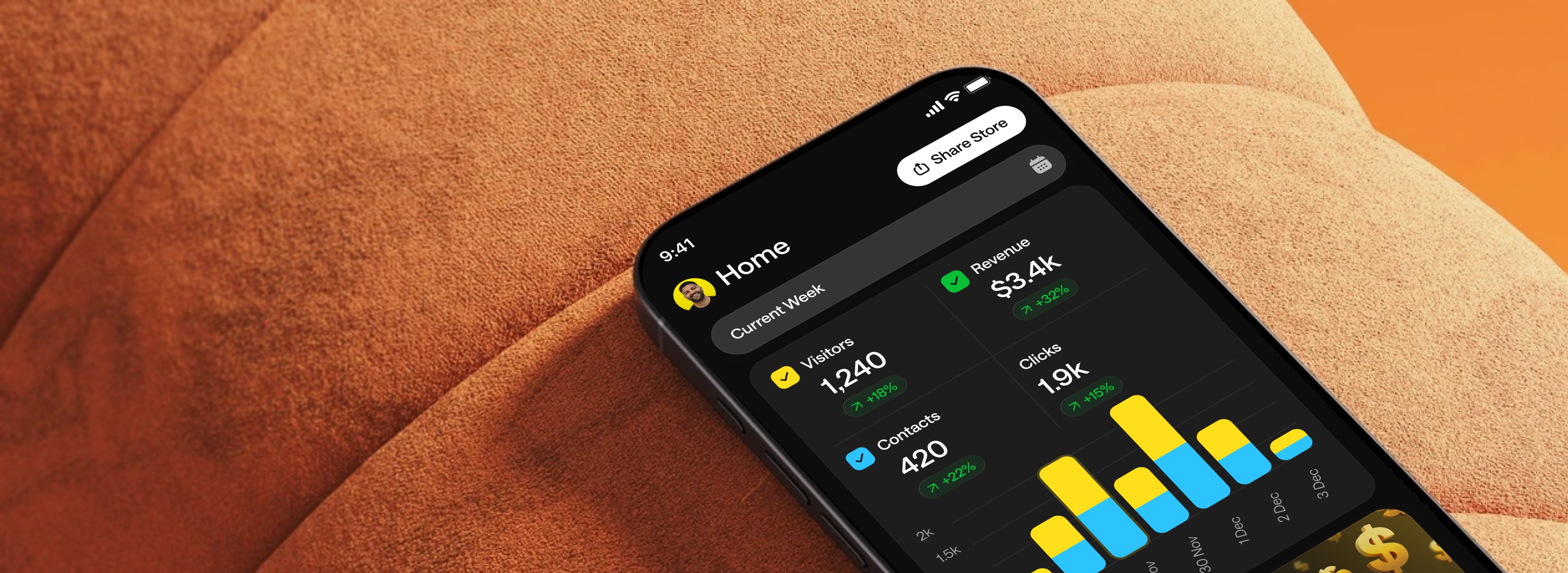
Tapmy’s conceptual angle: when you bundle free workouts and paid programs inside a single storefront, you simplify step 1 (tag acquisition) and step 3 (revenue roll-up). The storefront can present the free magnet and the paid offer on the same domain, capturing and attributing the subscriber to the right acquisition channel and showing CAC vs program revenue in one place without stitching multiple dashboards. Remember the conceptual formula for the monetization layer: attribution + offers + funnel logic + repeat revenue. That framing helps you avoid treating the storefront as just a link-in-bio and instead as the revenue system that connects acquisition to repeat sales.
Sequence templates, A/B tests, and realistic metrics for measurement
Below are pragmatic sequence templates and the experiments you should run within the 60–90 day window. Don’t aim for perfection; aim for measurable lifts.
Template A — Fast path (higher intent; YouTube-sourced subscribers):
- Day 0: Deliver magnet + suggested 1st action (video completion).
- Day 3: Success story + soft invite to a free cohort call or mini-challenge.
- Day 7: Direct offer for cohort enrollment (limited seats).
- Day 14: Urgency close + late-joiner discount.
Template B — Volume path (TikTok/Instagram-sourced subscribers):
- Day 0: Deliver magnet + one simple habit (complete two workouts this week).
- Day 5: Micro-case study from a similar follower + low-friction trial offer.
- Week 3: Nurture with tips and a secondary entry offer (monthly subscription with a 7-day trial).
Key A/B tests to prioritize:
- Opt-in page headline and lead magnet thumbnail (run for at least 7 days per variant). See practical guidance at A/B Test Your Opt-In Page.
- First email CTA type (reply vs click vs calendar add). Replies predict higher intent but have higher manual handling.
- Offer framing (trial vs one-time payment vs installment) — measure trial-to-paid conversion.
Realistic metrics to track (cohorted by acquisition source):
- Magnet-to-activation: percent who complete the first week of workouts.
- Activation-to-trial or month-1 purchase: the primary conversion metric.
- 30/60/90 day retention for paid cohorts.
- Open and click rates segmented by sequence type (weekly program content vs generic newsletters). For context on platform selection and newsletter tooling, compare options in Best Email Marketing Platforms for Creators in 2026.
Remember: weekly program-focused emails often get 35–50% opens; if you’re seeing 15–25% on program emails, two things are likely wrong — audience mismatch or list hygiene. For cleaning guidance that preserves revenue, see How to Clean Your Email List Without Losing Revenue.
Where creators trip up: real-world anecdotes and platform constraints
Quick, unvarnished cases from practice:
- A creator with 120k TikTok followers promoted a "free program" but used a multi-step web funnel with a slow video host. Signups dropped dramatically on mobile. Diagnosis: friction at delivery. Fix: make the magnet immediately accessible in the email and mobile-optimized.
- Another creator sent all new subscribers his high-ticket coaching pitch inside the welcome sequence. Conversion was negligible and churn spiked. Diagnosis: pitch-before-win. Fix: replace the early hard sell with habit-building content and a low-friction trial.
- Institutional platform limits: YouTube descriptions are clunky for deep-tracking parameters; IG stories can’t persist parameters the same way a link-in-bio page can. Use a lightweight redirect page (your storefront) to capture UTM and persist source. The practical how-to for using your bio link daily is at How to Use Your Instagram Bio Link.
One last operational note: creators aiming for recurring revenue should avoid over-automation early. Automate tracking and basic forks; keep human touch in conversion moments (reply handling, live Q&A) because replies and live touchpoints materially increase conversion rates.
FAQ
How many lead magnets should a fitness creator build before launching a recurring program?
Build one high-quality lead magnet that maps directly to your program first. The goal is to validate the path: does the magnet attract users who complete the first actions that predict a purchase? Once you can consistently move a cohort to activation, then add a second magnet to experiment with a different segment (for example, an advanced lifter vs a beginner). Too many magnets at once diffuses learning.
What open and conversion rates should I benchmark against when promoting recurring programs?
Benchmarking depends on source and sequence. For program-aligned weekly email sequences expect open rates commonly in the 35–50% band; general newsletters often land 15–25%. Conversion from magnet to paid varies but watch activation-to-paid within 60–90 days as the key metric. Use cohort tracking rather than single email snapshots to avoid mistaking timing variation for failure.
Is it better to offer a free trial or a low-cost starter product to convert gym influencer email subscribers?
Both can work; they trade different risks. A free trial lowers the psychological barrier and can scale quickly but may attract lower-intent users, increasing churn. A low-cost starter product validates purchase intent and often yields higher retention among payers. Your choice should depend on acquisition cost and how well you can deliver an immediate perceived value during the trial window.
How do I measure CAC accurately when I use multiple platforms and a storefront?
Measure CAC at the cohort level: tag the acquisition source at opt-in and persist that attribute. Aggregate acquisition spend and new paying members per cohort over a 60–90 day window. If you’re using a storefront that consolidates opt-ins and purchases, you reduce attribution leaks. For funnel-level attribution patterns and technical considerations, see the creators’ funnel guide at Advanced Creator Funnels.
When should I shift from acquisition-focused sequences to retention-focused content?
Shift after a subscriber has either purchased or stayed inactive past the 90-day activation window. For buyers, move them into an onboarding sequence that increases habit formation and reduces churn. For non-buyers, continue low-frequency reactivation plus periodic offers tied to fresh challenges. Avoid treating the same content as both acquisition and retention content; the objectives differ and so should the CTAs.