
" height="21.95706114703747px" id="qM5sFNDIS" transform="translate(3.459 1.023)" width="17.081538493872166px"/></svg>)
" height="16.041644077985946px" id="vPwWmgEb7" transform="translate(2.375 4.207)" width="19.249983003077222px"/></svg>)
" width="20px"><path d="M 0 20 L 0 0 L 20 0 L 20 20 Z" fill="transparent" height="20px" id="Iu2kCeaUT" width="20px"/><path d="M 4.531 6.206 L 0.253 6.206 L 0.253 19.08 L 4.531 19.08 Z M 2.393 4.449 C 3.884 4.449 4.813 3.46 4.813 2.224 C 4.785 0.961 3.884 0 2.421 0 C 0.957 0 0 0.961 0 2.224 C 0 3.46 0.929 4.449 2.364 4.449 Z M 11.178 19.08 L 11.178 11.89 C 11.178 11.506 11.206 11.121 11.319 10.847 C 11.628 10.077 12.333 9.281 13.515 9.281 C 15.063 9.281 15.682 10.462 15.682 12.193 L 15.682 19.08 L 19.961 19.08 L 19.961 11.698 C 19.961 7.744 17.85 5.904 15.034 5.904 C 12.765 5.904 11.747 7.152 11.178 8.029 L 11.178 6.206 L 6.899 6.206 C 6.956 7.414 6.899 19.08 6.899 19.08 Z" fill="rgb(0, 0, 0)" height="19.079659942779543px" id="hzLTqQuQE" transform="translate(0.02 0.461)" width="19.960870207061767px"/></g></svg>)
" height="18px" id="TrPl6m2Z8" transform="translate(1.75 3)" width="20.5px"/></svg>)
Key Takeaways (TL;DR):
Audience intent is crucial to affiliate link conversion success.
The mismatch between audience and offers causes low conversion rates.
Even high traffic can fail if the audience context is misunderstood.
Affiliate platforms have constraints that shape user interactions.
Misaligned Audience Intent: The Hidden Killer of Affiliate Conversions
Affiliate marketing relies heavily on understanding audience behavior to drive sales and revenue. While traffic and click volume often get all the attention, a deeper issue can silently erode conversions: misaligned audience intent. This occurs when the audience engaging with your affiliate links isn’t ready or willing to take the desired action associated with the offer. Without addressing this failure mode directly, no amount of traffic optimization or tweaking will get your links to convert better.
How Audience Intent Shapes Affiliate Success
Audience intent refers to the mindset, motivations, and expectations of your users as they interact with your content. When applying affiliate links, intent becomes the filter through which all conversions pass. Each user’s behavior is influenced not just by the copy surrounding the affiliate link but also by upstream factors, including the content format, emotional triggers, and even platform constraints.
Example Breakdown of Intent
A reader comes across your travel blog and clicks a link for discounted flights. If they’re casually browsing for destination inspiration rather than actively planning a trip, their intent diverges from the transaction you’re asking them to complete. Even a beautifully crafted CTA can feel irrelevant.
Intent mismatch can express itself in three ways:
Informational Intent: Users are researching options but don’t plan to purchase immediately.
Transactional Misalignment: Users are seeking a specific product or service that your offer doesn’t fulfill.
Platform Context Conflict: Users engage differently depending on where they encounter your link (e.g., Instagram vs. a niche blog).
What Breaks In Practice
Theoretically, affiliate links should perform smoothly if paired with relevant high-traffic channels. However, in practice, several factors limit this assumption.
Traffic Quality vs. Traffic Volume
One key mistake marketers make is assuming that higher traffic translates to better conversions. In reality, traffic sourced from poorly targeted channels almost always generates intent mismatches. For example, affiliate links promoted on generic audiences via paid ads often yield clicks but low conversions due to poor fit between audience expectations and the final offer.
Misinterpreted Content Context
Content Context layers matter more than marketers realize. If your affiliate link is embedded in a product review article, users click with shopping intent. Conversely, links scattered across a general informational page lack a built-in emotional driver for transactions. When links are misplaced in non-actionable content—a process known as contextual decay—click-through rates stall or perform unpredictably.
Expected Behavior vs. Reality
Affiliate marketers frequently underestimate how varied user paths can get based on platform behavior. To illustrate:
Assumption | Reality | Why It Fails |
|---|---|---|
Product reviews always drive sales. | Users skim and bounce after exploratory clicks. | Review pages don’t match intent for audiences seeking broader discovery. |
Instagram traffic converts easily. | Traffic from visual-first platforms often has low attention spans. | Users on Instagram engage emotionally, not transactionally. |
Paid ad traffic works better. | Paid clicks inflate traffic stats but shrink actual buyer funnels. | Ads focus on visibility, not nurturing rational purchase decisions. |
Platform Constraints and Their Impact
A deeper issue lies in how individual platforms shape user activity. Consider how affiliate links behave differently depending on platform-specific limits:
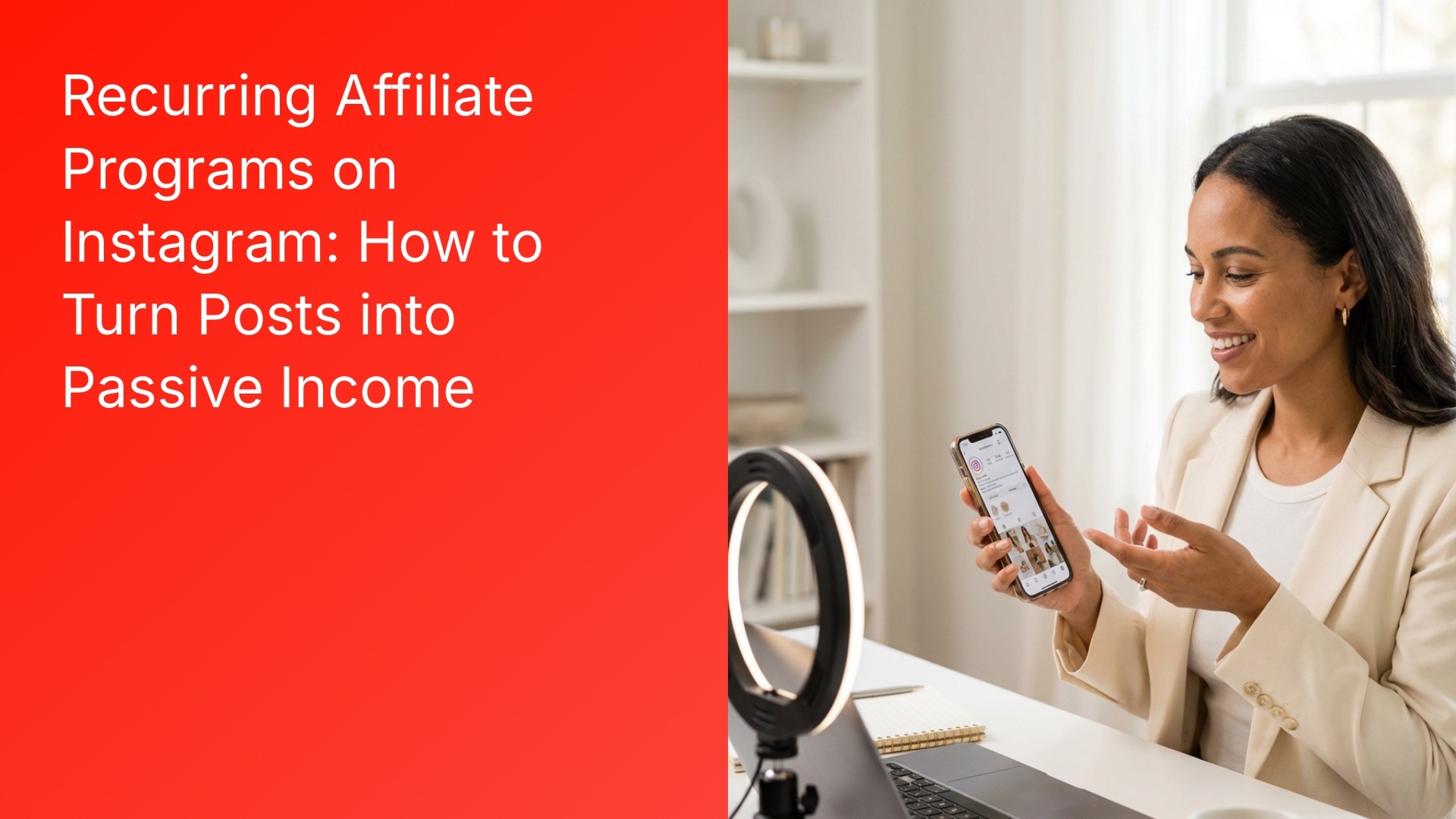
Affiliate links on Instagram usually break because they’re visually detached from purchase pathways. Instagram users primarily engage with aesthetics, meaning a secondary purchase action (e.g., clicking out of an image-based app) can feel unnatural.
Blog Content
While blogs tend to work better with affiliate links, they only perform if the content structure creates highly actionable narratives. Blog audiences often split into informational researchers and active buyers. If the link anchors lack precision, researchers won’t engage.
Short-Form Content Platforms
Platforms like TikTok fuel fast interactions. Users rarely stop for purchase-focused links since their engagement relies on immediate entertainment. Any affiliate content designed for long-form conversions (e.g., in-depth discounts) fails here unless tailored explicitly.
Real-World Optimization Insights
Understanding misaligned audience intent means shaping content distribution strategies differently at every stage. Here are tactical insights to address the failures:
1. Reframe Content Alignment
Link integration works when content matches user readiness. For example, instead of embedding a generic coupon link into a lifestyle video, pair the link with direct problem-solving content that anchors urgency.
2. Pre-Qualify Traffic Channels
Use analytics-driven systems to understand where conversions come from. Affiliate platforms often provide high-level traffic data, but running additional segmentation layers (e.g., behavioral categories) pinpoints strong-fit audiences. Tools like Google Analytics’ audience filters help measure alignment better.
3. Adjust Platforms Dynamically
Don’t treat affiliate links as static components. Instead, adapt based on platform behaviors: shorten CTAs for TikTok audiences or strengthen purchase pathways for blog readers.
FAQ: Misaligned Intent in Affiliate Strategies
How can I test audience intent for my links?
To test audience intent, focus on A/B testing content with varying levels of CTA urgency. Segment traffic based on content interaction frequency (e.g., repeat visits vs. new visits). Connecting user intent data points highlights intent gaps.
Why do high-traffic articles perform poorly?
Articles generating high traffic often fail to segment actionable users. For example, an article optimized for SEO might drive clicks from users casually browsing keywords without immediate purchase priorities.
How can I convert casual browsers into buyers?
Casual browsers require layered engagement strategies. First, use content that builds urgency or troubleshooting guides. Second, embed affiliate links transitionally with deeper problem-solving benefits (e.g., linking out to demos).
Should affiliate platforms be avoided on specific channels?
Not entirely, but each channel imposes constraints. Instagram rarely nurtures direct conversions, while YouTube excels due to long-form narratives. Seeing platforms as systems rather than distribution methods avoids mismatches.
Does branding influence misaligned affiliate intent?
Yes. Poorly aligned affiliate branding creates friction even when user interest exists. A low-trust presentation undermines purchase paths because branding affects user comfort levels in converting.