" height="32.00002387147419px" id="gZXGZYql_" transform="translate(0 0)" width="33.17407881260548px"/><path d="M 2.085 0 C 2.398 0.09 2.616 0.346 2.862 0.551 C 4.463 1.882 5.328 4.198 4.692 6.221 C 4.23 7.692 2.854 8.429 1.559 9.077 C 0.984 9.294 0.604 9.374 0 9.506 C 1.261 7.006 2.053 5.972 0.077 3.616 C 0.93 2.522 1.608 1.302 2.085 0 Z" fill="rgb(255, 255, 255)" height="9.505700000000001px" id="cmY0ROQXE" transform="translate(26.962 11.764)" width="4.902088461320112px"/><path d="M 2.786 0.079 C 4.516 -0.195 6.882 0.235 8.153 1.529 C 9.314 2.711 9.449 4.074 9.45 5.641 L 8.055 4.448 C 7.13 3.7 6.366 3.236 5.22 2.863 C 2.88 2.103 1.689 2.46 0 0.491 C 0.949 0.332 1.831 0.191 2.786 0.079 Z" fill="rgb(255, 255, 255)" height="5.640822256039236px" id="QF25qHlEr" transform="translate(19.227 1.379)" width="9.450099999999999px"/><path d="M 5.655 0 C 5.917 0.113 5.862 0.633 5.911 1.004 C 6.04 2.045 6.387 3.046 6.929 3.943 C 5.131 4.63 3.592 5.19 1.733 4.47 C 0.726 3.926 0.319 3.27 0 2.213 C 2.759 1.595 3.154 1.371 5.655 0 Z" fill="rgb(255, 255, 255)" height="4.806175899027007px" id="kqgl_H_Bc" transform="translate(10.595 23.332)" width="6.928799999999999px"/><path d="M 0 0 C 0.65 0.017 1.138 0.041 1.491 0.654 C 3.245 3.701 4.719 4.269 8.278 3.546 C 7.879 3.861 7.49 4.137 7.076 4.431 C 6.222 4.957 5.254 5.271 4.254 5.345 C 1.023 5.561 0.155 2.656 0 0 Z" fill="rgb(255, 255, 255)" height="5.356585200702476px" id="A5o1AXt5e" transform="translate(7.901 25.553)" width="8.277719999999999px"/><path d="M 1.582 0 C 1.889 0.239 1.638 0.793 1.582 1.267 C 1.337 3.362 1.705 4.763 2.654 6.583 C 2.182 7.09 1.586 7.662 1.092 8.161 L 0.98 8.239 L 0.826 8.184 C -0.289 5.719 -0.489 2.026 1.582 0 Z" fill="rgb(255, 255, 255)" height="8.23884px" id="K4X1nlNhw" transform="translate(1.373 8.977)" width="2.6544824443243806px"/><path d="M 4.879 0 L 5.154 0.02 C 5.173 0.055 5.191 0.089 5.21 0.124 C 4.076 1.11 3.076 1.841 2.163 3.07 C 0.899 4.77 1.042 6.073 0.594 7.936 C -0.71 7.351 0.477 3.227 0.911 2.183 C 1.385 1.046 3.753 0.398 4.879 0 Z" fill="rgb(255, 255, 255)" height="7.93632px" id="iX1WuEJsS" transform="translate(4.258 5.422)" width="5.209503656189256px"/><path d="M 0.891 0 C 1.252 0.397 0.785 0.972 2.043 1.993 C 3.579 2.288 5.164 2.203 6.66 1.745 C 6.19 2.232 5.777 2.59 5.268 3.03 C 5.209 3.074 5.149 3.118 5.09 3.162 C 3.442 4.368 1.179 3.903 0 2.267 C 0.206 1.503 0.429 0.651 0.891 0 Z" fill="rgb(255, 255, 255)" height="3.840138803869854px" id="EYhSkzb98" transform="translate(10.639 14.254)" width="6.660399999999999px"/><path d="M 5.7 0 L 5.862 0.129 C 5.871 0.163 5.899 0.278 5.896 0.313 C 5.7 2.553 3.858 4.223 1.838 4.943 C 1.312 5.131 0.79 5.181 0.227 5.231 C 0.062 5.156 0.114 5.18 0 5.006 C 0.058 4.568 2.368 2.938 2.85 2.535 C 3.828 1.716 4.745 0.832 5.7 0 Z" fill="rgb(255, 255, 255)" height="5.230699999999999px" id="rR3aItzbE" transform="translate(20.021 22.535)" width="5.895938333146585px"/><path d="M 1.798 0.061 C 2.392 -0.019 3.597 -0.071 4.125 0.244 C 4.638 0.944 4.484 2.507 3.821 3.106 C 3.426 3.233 3.583 3.227 3.161 3.071 C 2.323 2.592 0.895 1.713 0 1.493 C 0.65 0.799 0.954 0.488 1.798 0.061 Z" fill="rgb(255, 255, 255)" height="3.1951027036145305px" id="IMle10bWj" transform="translate(15.146 10.535)" width="4.430712176398055px"/><path d="M 0.018 0 C 0.282 0.063 1.864 1.126 2.331 1.364 C 3.197 1.804 3.346 1.876 4.34 2.173 C 4.251 2.864 4.215 3.588 4.169 4.285 C 3.236 4.526 0.886 2.837 0.45 1.956 C 0.031 1.109 -0.041 0.914 0.018 0 Z" fill="rgb(255, 255, 255)" height="4.308168324411934px" id="pheoyshQj" transform="translate(2.312 19.986)" width="4.339817240842605px"/><path d="M 0 0.027 C 0.439 0.014 1.2 -0.035 1.608 0.043 C 3.315 0.369 2.426 2.559 2.106 3.651 C 2.035 3.895 2.003 4.098 1.809 4.257 C 0.598 4.238 0.09 0.995 0 0.027 Z" fill="rgb(255, 255, 255)" height="4.257278283966036px" id="y4SOtrApl" transform="translate(22.564 5.982)" width="2.6241732006357594px"/><path d="M 2.53 0 C 3.199 0.233 4.697 4.443 1.642 3.339 C 0.801 2.889 0.575 2.665 0 1.9 C 0.709 1.252 1.74 0.538 2.53 0 Z" fill="rgb(255, 255, 255)" height="3.5230979695442386px" id="taMdD9ETv" transform="translate(22.166 17.775)" width="3.4914692646924834px"/><path d="M 1.922 0 L 2.08 0.004 C 2.445 0.65 1.939 4.817 0.934 5.155 L 0.716 5.046 C -0.285 2.784 -0.525 1.194 1.922 0 Z" fill="rgb(255, 255, 255)" height="5.154800000000002px" id="udg1KI2m_" transform="translate(17.619 21)" width="2.1985109419737654px"/><path d="M 0.58 0 C 0.964 0.148 2.564 1.331 3.056 1.648 L 1.563 3.194 C 0.988 3.708 0.635 3.938 0 4.353 C 0.455 2.537 0.619 1.856 0.58 0 Z" fill="rgb(255, 255, 255)" height="4.353200000000001px" id="hiTtHQeFA" transform="translate(20.577 20.867)" width="3.055799999999998px"/><path d="M 0.966 0 C 1.582 0.047 3.874 0.689 3.937 1.412 C 3.75 1.663 3.405 1.698 3.09 1.773 C 2.282 1.958 0.27 2.516 0 1.461 C 0.092 0.94 0.569 0.343 0.966 0 Z" fill="rgb(255, 255, 255)" height="2.0860744736189787px" id="opNh2nfUr" transform="translate(13.15 13.09)" width="3.9368px"/><path d="M 3.076 0 L 3.294 0.079 L 3.342 0.207 C 2.908 1.051 2.415 1.797 1.984 2.692 C 1.434 3.834 1.003 5.282 0.264 6.258 C 0.071 6.168 0.14 6.22 0.007 6.032 C -0.126 4.485 1.706 0.885 3.076 0 Z" fill="rgb(255, 255, 255)" height="6.258489999999999px" id="EXvZ1NrdY" transform="translate(5.901 7.504)" width="3.3417542024784233px"/><path d="M 1.308 0 C 1.265 -0.04 2.536 3.529 2.776 4.008 C 2.361 3.821 2.001 3.628 1.6 3.413 C -0.431 2.074 -0.528 1.77 1.308 0 Z" fill="rgb(255, 255, 255)" height="4.007940350226239px" id="p5Vi1bLFm" transform="translate(3.356 16.691)" width="2.7756652348500186px"/><path d="M 0.588 0 C 0.712 0.037 0.813 0.085 0.929 0.142 C 1.465 0.403 1.872 0.872 2.054 1.44 C 2.263 2.103 2.018 2.498 1.384 2.679 L 0 3.028 C 0.272 2.132 0.442 0.93 0.588 0 Z" fill="rgb(255, 255, 255)" height="3.0282500000000008px" id="V_zCzpfyC" transform="translate(25.759 6.998)" width="2.126652647905342px"/><path d="M 2.102 0 C 2.802 0.107 3.532 0.768 4.104 1.212 C 2.902 1.364 2.267 1.509 1.163 2.011 C 0.824 2.209 0.36 2.545 0 2.48 C 0.031 1.997 1.687 0.41 2.102 0 Z" fill="rgb(255, 255, 255)" height="2.4884510228622325px" id="KgZLUphip" transform="translate(11.2 5.676)" width="4.1045px"/><path d="M 4.112 0.034 C 4.292 -0.019 4.317 -0.009 4.495 0.055 L 4.521 0.223 C 4.183 0.728 0.99 2.723 0.316 3.048 C 0.138 3.125 0.208 3.106 0 3.08 C 0.021 1.932 3.087 0.317 4.112 0.034 Z" fill="rgb(255, 255, 255)" height="3.1028650031226688px" id="qq3hk8yZK" transform="translate(10.785 7.828)" width="4.521000000000001px"/><path d="M 0.141 0.077 C 0.594 0.026 1.199 -0.069 1.623 0.081 C 2.341 0.337 3.29 0.695 3.403 1.535 L 3.219 1.757 C 2.961 1.841 2.676 1.923 2.409 1.857 C 1.834 1.715 0.306 0.711 0 0.221 Z" fill="rgb(255, 255, 255)" height="1.8810147921990854px" id="JXpIE1opf" transform="translate(15.32 4.703)" width="3.402700000000001px"/><path d="M 2.72 0.04 C 3.046 -0.001 3.15 -0.015 3.474 0.019 C 3.811 0.283 3.818 0.442 3.722 0.835 C 3.251 1.286 1.932 1.16 1.172 1.177 C 0.817 1.19 0.234 1.272 0 0.991 C 0.298 0.535 2.175 0.141 2.72 0.04 Z" fill="rgb(255, 255, 255)" height="1.1983903643415106px" id="QP7_JZRtq" transform="translate(8.995 3.061)" width="3.775186453050104px"/><path d="M 0.193 0.028 C 1.37 0.006 2.502 -0.021 3.681 0.027 C 3.223 0.275 2.628 0.465 2.13 0.642 C 1.505 0.923 0.737 1.461 0.147 1.026 C -0.012 0.632 -0.1 0.34 0.193 0.028 Z" fill="rgb(255, 255, 255)" height="1.189605127915172px" id="hp2lulSqL" transform="translate(9.97 23.156)" width="3.6805205061196204px"/><path d="M 1.023 0.05 C 1.923 -0.054 2.723 0.02 3.611 0.123 C 3.049 0.38 2.64 0.478 2.041 0.637 C 1.403 0.827 0.635 0.996 0.014 0.719 L 0 0.546 C 0.275 0.253 0.639 0.176 1.023 0.05 Z" fill="rgb(255, 255, 255)" height="1px" id="BmzCHBA2O" transform="translate(12.984 20.51)" width="3.610699999999998px"/><path d="M 0.008 0 C 0.119 0.008 0.23 0.024 0.339 0.046 C 1.337 0.256 1.337 1.625 1.15 2.409 C 0.376 2.243 -0.065 0.695 0.008 0 Z" fill="rgb(255, 255, 255)" height="2.4094000000000015px" id="tsSE_BCay" transform="translate(25.73 16.309)" width="1.2458836048739457px"/><path d="M 1.441 0 C 1.549 0.032 1.598 0.072 1.694 0.13 C 1.849 0.779 0.893 1.983 0.316 2.281 C -0.694 1.786 1.001 0.423 1.441 0 Z" fill="rgb(255, 255, 255)" height="2.2813999999999997px" id="mFThfbOIR" transform="translate(24.705 11.035)" width="1.7107771516854555px"/><path d="M 0.141 0 C 1.206 0.231 0.974 1.087 0.864 1.994 C 0.686 1.994 0.499 1.983 0.321 1.976 C -0.202 1.571 0.05 0.579 0.141 0 Z" fill="rgb(255, 255, 255)" height="1.9940006770252907px" id="XFco5JL0X" transform="translate(7.804 22.531)" width="1px"/><path d="M 0.06 0.003 C 0.443 -0.011 0.745 0.019 1.018 0.308 C 1.167 0.605 1.121 0.707 1.042 1.04 C 0.621 1.007 0.402 0.977 0.105 0.675 C -0.03 0.37 -0.023 0.328 0.06 0.003 Z" fill="rgb(255, 255, 255)" height="1.0400327079323755px" id="w2Z9lCByC" transform="translate(16.894 2.666)" width="1.115859328834759px"/><path d="M 0 0.007 C 0.797 -0.068 1.456 0.475 1.871 1.112 C 1.087 1.119 0.44 0.625 0 0.007 Z" fill="rgb(255, 255, 255)" height="1.1116551820404172px" id="kl2V_0pZ0" transform="translate(19.418 7.047)" width="1.8714000000000013px"/><path d="M 0 0 L 11.42 0 L 11.42 1.52 L 6.58 1.52 L 6.58 14.24 L 4.84 14.24 L 4.84 1.52 L 0 1.52 Z M 18.664 12.94 L 19.244 12.94 L 19.244 14.24 C 18.978 14.28 18.684 14.3 18.364 14.3 C 17.284 14.3 16.704 13.807 16.624 12.82 C 15.904 13.927 14.784 14.48 13.264 14.48 C 12.131 14.48 11.238 14.22 10.584 13.7 C 9.944 13.167 9.624 12.42 9.624 11.46 C 9.624 9.593 10.898 8.527 13.444 8.26 L 14.924 8.1 C 16.004 7.98 16.544 7.507 16.544 6.68 C 16.544 6.107 16.364 5.693 16.004 5.44 C 15.658 5.187 15.064 5.06 14.224 5.06 C 13.331 5.06 12.684 5.213 12.284 5.52 C 11.898 5.813 11.678 6.34 11.624 7.1 L 10.024 7.1 C 10.158 4.82 11.558 3.68 14.224 3.68 C 16.811 3.68 18.104 4.68 18.104 6.68 L 18.104 12.44 C 18.104 12.773 18.291 12.94 18.664 12.94 Z M 13.344 13.12 C 14.198 13.12 14.944 12.86 15.584 12.34 C 16.224 11.833 16.544 11.107 16.544 10.16 L 16.544 8.94 C 16.251 9.167 15.798 9.313 15.184 9.38 L 13.684 9.56 C 12.818 9.667 12.198 9.867 11.824 10.16 C 11.464 10.453 11.284 10.873 11.284 11.42 C 11.284 11.953 11.458 12.373 11.804 12.68 C 12.151 12.973 12.664 13.12 13.344 13.12 Z M 25.314 3.68 C 26.767 3.68 27.934 4.167 28.814 5.14 C 29.681 6.127 30.114 7.44 30.114 9.08 C 30.114 10.707 29.681 12.013 28.814 13 C 27.934 13.987 26.767 14.48 25.314 14.48 C 23.834 14.48 22.681 13.907 21.854 12.76 L 21.854 18.16 L 20.254 18.16 L 20.254 3.92 L 21.774 3.92 L 21.774 5.52 C 22.601 4.293 23.781 3.68 25.314 3.68 Z M 25.114 13.04 C 26.114 13.04 26.914 12.68 27.514 11.96 C 28.127 11.227 28.434 10.24 28.434 9 C 28.434 7.787 28.134 6.84 27.534 6.16 C 26.947 5.467 26.141 5.12 25.114 5.12 C 24.101 5.12 23.294 5.467 22.694 6.16 C 22.094 6.853 21.794 7.827 21.794 9.08 C 21.794 10.32 22.094 11.287 22.694 11.98 C 23.294 12.687 24.101 13.04 25.114 13.04 Z M 42.472 3.68 C 43.592 3.68 44.458 4.007 45.072 4.66 C 45.698 5.3 46.012 6.16 46.012 7.24 L 46.012 14.24 L 44.412 14.24 L 44.412 7.4 C 44.412 5.88 43.692 5.12 42.252 5.12 C 41.492 5.12 40.858 5.427 40.352 6.04 C 39.858 6.64 39.612 7.493 39.612 8.6 L 39.612 14.24 L 38.012 14.24 L 38.012 7.4 C 38.012 5.88 37.292 5.12 35.852 5.12 C 35.105 5.12 34.478 5.427 33.972 6.04 C 33.465 6.64 33.212 7.493 33.212 8.6 L 33.212 14.24 L 31.612 14.24 L 31.612 3.92 L 33.132 3.92 L 33.132 5.44 C 33.812 4.267 34.805 3.68 36.112 3.68 C 37.658 3.68 38.718 4.327 39.292 5.62 C 40.012 4.327 41.072 3.68 42.472 3.68 Z M 52.581 8.2 L 54.041 3.92 L 55.781 3.92 L 51.421 15.86 C 51.114 16.727 50.694 17.333 50.161 17.68 C 49.627 18.04 48.927 18.22 48.061 18.22 C 47.767 18.22 47.447 18.2 47.101 18.16 L 47.101 16.82 L 48.041 16.82 C 48.961 16.82 49.587 16.393 49.921 15.54 L 50.281 14.58 L 46.401 3.92 L 48.161 3.92 L 49.621 8.22 C 50.141 9.74 50.634 11.227 51.101 12.68 C 51.487 11.44 51.981 9.947 52.581 8.2 Z" fill="rgb(3, 3, 3)" height="18.220000076293946px" id="glUGDzk9A" transform="translate(38.574 9.76)" width="55.78079879760742px"/></svg>)




" height="21.95706114703747px" id="qM5sFNDIS" transform="translate(3.459 1.023)" width="17.081538493872166px"/></svg>)
" height="16.041644077985946px" id="vPwWmgEb7" transform="translate(2.375 4.207)" width="19.249983003077222px"/></svg>)
" width="20px"><path d="M 0 20 L 0 0 L 20 0 L 20 20 Z" fill="transparent" height="20px" id="Iu2kCeaUT" width="20px"/><path d="M 4.531 6.206 L 0.253 6.206 L 0.253 19.08 L 4.531 19.08 Z M 2.393 4.449 C 3.884 4.449 4.813 3.46 4.813 2.224 C 4.785 0.961 3.884 0 2.421 0 C 0.957 0 0 0.961 0 2.224 C 0 3.46 0.929 4.449 2.364 4.449 Z M 11.178 19.08 L 11.178 11.89 C 11.178 11.506 11.206 11.121 11.319 10.847 C 11.628 10.077 12.333 9.281 13.515 9.281 C 15.063 9.281 15.682 10.462 15.682 12.193 L 15.682 19.08 L 19.961 19.08 L 19.961 11.698 C 19.961 7.744 17.85 5.904 15.034 5.904 C 12.765 5.904 11.747 7.152 11.178 8.029 L 11.178 6.206 L 6.899 6.206 C 6.956 7.414 6.899 19.08 6.899 19.08 Z" fill="rgb(0, 0, 0)" height="19.079659942779543px" id="hzLTqQuQE" transform="translate(0.02 0.461)" width="19.960870207061767px"/></g></svg>)
" height="18px" id="TrPl6m2Z8" transform="translate(1.75 3)" width="20.5px"/></svg>)
Key Takeaways (TL;DR):
Prioritize Binary Choices: Two-option polls (A vs B) outperform multi-option polls by reducing cognitive friction, increasing conversion rates, and providing clearer data for product decisions.
Implement a Poll-to-Offer Funnel: Use polls as a starting point, followed by results-analysis threads and a 'monetization layer' (link-in-bio or DM funnels) to capture intent.
Treat Polls as Directional, Not Definitive: Recognize social signals and sampling bias; validate high-interest results with secondary qualifiers like surveys or waitlists.
Optimize Duration and Timing: Use 24-hour polls for immediate momentum and 48–72 hours for global reach, while aligning posts with your highest-performing content windows.
Avoid Audience Fatigue: Maintain a cadence of one substantive poll every 2–4 weeks and ensure you provide 'visible reciprocity' by sharing how the results influenced your actions.
Measure Beyond the Vote: Track success via bio link click-through rates and landing page opt-ins rather than just the total number of poll participants.
Two-option polls beat opinion polls more often — here's why that matters for a Twitter polls strategy
Many creators treat polls as light interaction toys. That's a mistake if your goal is to both increase algorithmic engagement and learn what people want to buy. Two-outcome polls (A vs B) tend to produce clearer behavior from voters. They lower cognitive friction, reduce the social cost of participation, and create cleaner signals for later segmentation. If you want a repeatable Twitter polls strategy, designing for decisiveness matters more than novelty.
Mechanically, two-option polls compress a decision into a binary motor action: tap option 1 or option 2. That simplicity increases conversion rate on the poll itself. Creators report seeing proportionally higher vote rates and more lightweight interactions (likes, quote-retweets) around binary choices than around multi-option or open-text questions. The algorithm reacts to the raw engagement spike; the network tends to show the poll to more of your followers and, crucially, to non-followers in the immediate window after posting.
Why does a binary choice produce cleaner insight? Because it forces trade-offs. When respondents have to choose between two clearly differentiated outcomes, you reveal relative preference, not just interest. A 65/35 split on “A vs B” is actionable. A 65% vote for “Feature A” on a 4-option poll is noise — you don’t know whether people selected A because it’s the best, or because B–D were weak. For creators who want to convert engagement into offers, that difference is the entire funnel.
Use the simple rule: when you need a signal for productizing an idea, default to two outcomes. Reserve multi-option polls for exploratory discovery where nuance matters and you accept lower conversion precision.
Design the poll-to-offer funnel: an explicit workflow for market research and conversions
A poll is a single data point. It becomes useful only when you stitch it into a follow-up process. The workflow below maps how a creator turns a poll into an offer-ready audience segment.
Workflow (linear but often iterative): post poll → surface immediate replies/quotes → collect voter data via public signals → publish results-thread with analysis → present a soft offer or lead magnet → route traffic to a monetization layer (remember: monetization layer = attribution + offers + funnel logic + repeat revenue) → track conversions and iterate.
The critical decision moments are two: how you analyze votes, and how you connect interested voters to an offer. You cannot rely on the poll alone to capture emails or payments. But you can use the poll result to validate demand publicly, then drive higher-intent users to a bio link, DM funnel, or gated page.
Practical structure for a single campaign:
Day 0 — Poll post (keep it binary, frame as a choice with purchase intent baked in).
Day 1 — Results thread that includes: the final split, your interpretation, a short survey link for deeper qualifiers, and one explicit, low-friction offer route (bio link or DM).
Day 7 — Follow-up mini-poll or question that segments responders further based on reason for their choice.
Monthly — Compile poll outcomes into a results roundup thread that positions you as an authority and surfaces a lead offer.
Creators who run a monthly cadence of this pattern tend to build a library of publicly visible decisions. That library becomes social proof: people see the movement of numbers and the productization that follows. Many report that monthly polls with a results-based thread increase both perceived authority and conversion opportunities.
Where to put the offer? Use a bio link that lets you change the destination quickly. If you want to automate routing based on poll answers and follow-up qualifiers, read the segmentation playbook for link-in-bio flows — it's fundamental to turning interest into revenue without awkward DMs (advanced segmentation).
Interpreting poll results: common misreads, statistical pitfalls, and what to trust
Polls are public and small-sample. Treat them as directional, not definitive. The raw percentage is not a market size estimate. It’s a social signal layered on top of visibility, audience composition, and the moment’s attention dynamics.
Three common misreads:
Confusing engagement rate with representative preference. High vote share from a small active subset doesn’t equal majority market demand.
Overweighting outcome without considering reply sentiment. Votes are fast; replies reveal reasoning and objections.
Assuming poll voters are buyers. Many will vote for curiosity or alignment; fewer will convert without a clear, low-friction next step.
So what can you trust? Look for corroborating signals. A binary poll that gets both a large number of votes and a high volume of replies with purchase intent keywords (e.g., “will buy”, “how much”) is stronger evidence than votes alone. Cross-reference impressions, engagement rate (engagements / impressions), and profile-level signals like bio interest markers (coaching, freelancer, creator). Use analytics — not hunches. If you need help reading your metrics, the guide on reading Twitter/X analytics is pragmatic and hands-on (how to read your data).
Two additional interpretive notes:
First, the time window matters. Polls that close in 24 hours bias toward early, highly engaged followers. Extending to 48 or 72 hours increases participation but invites more noise (retweets, replies from outside your niche). Second, platform visibility skews results. If X amplifies your poll because it’s getting good early engagement, the subsequent votes are not independent — they're influenced by algorithmic choice. You are sampling a dynamically filtered audience, not the entire internet.
Platform constraints, duration choices, and timing: what breaks in real usage
Twitter/X offers simple poll mechanics, but real campaigns bump into limits. Character limit for option labels, inability to close polls early, and lack of native voter export are surprisingly restrictive when you're trying to operationalize results.
Expected behavior | Actual outcome | Implication for creators |
|---|---|---|
Poll captures a representative sample of followers | Poll skews to early engagers and algorithmic amplification pockets | Don't treat a poll as a census — design follow-ups to validate |
Option labels carry nuance (long descriptions) | Labels truncated or simplified; users vote on shorthand | Keep options concise and avoid nuance that changes meaning |
Polls export voter list | No native export or voter IDs accessible | Use replies, quote-retweets, and landing pages to capture qualified leads |
Duration and timing decisions are more tactical than many creators admit. Standard practice is to run a poll 24 hours to capture a daily active cycle. Yet 24 hours favors night-owl or super-engaged niches depending on your audience; 48–72 hour polls broaden the time-zone reach but allow external resharing that dilutes the profile. Two working heuristics:
If your audience is global and deep, 48–72 hours reduces sampling noise.
If you want momentum and quick decisions (e.g., testing a single offer), 12–24 hours preserves immediacy but expect concentrated participation.
Platform-specific behaviors also matter. Some creator niches experience "poll-bombing" — where a viral retweet from an unrelated account floods the poll with off-niche votes. Others see bots or repeat voters influence counts (rare but possible). No native moderation tool exists to remove suspect votes, so guard by funneling respondents to a controlled qualifying step after the poll.
Finally, timing relative to content cadence matters. Don't bury a poll under a storm of other posts. Schedule it for when your usual best-performing content receives visibility. If you follow a posting calendar, align poll posts with scheduled threads or replies that will serve as the primary analysis vehicle (see content calendar reference: 30-day content planning).
Hybrid posts, follow-up threads, and avoiding poll fatigue
Repeated polling without value delivery causes fatigue. Audience attention is finite. When you run polls too often or fail to act on outcomes publicly, engagement drops. But used thoughtfully, a hybrid that mixes polls, open questions, and results-threads keeps things fresh.
Two hybrid patterns that work in practice:
Pattern A — Poll + Qualifier Thread: Post a two-option poll. After it closes, publish a thread that explains the result and asks 2–3 follow-up questions (open-answer). The thread converts votes into richer qualitative data. It also offers a natural place to insert a lead offer or mini-survey funnel.
Pattern B — Question Post + Mini-Poll: Start with an open question to solicit nuance, then run a short poll to quantify the top three answers from replies. This reverses the discovery direction and reduces the chance of premature anchoring by the poll options.
Avoiding fatigue requires pacing and visible reciprocity. If you poll weekly with no visible action, you train followers to treat polls as entertainment rather than decision drivers. A better rhythm: poll once every 2–4 weeks and always follow with a results-driven thread that demonstrates action (even if the action is "we'll test this in micro-offer next month").
When you ask about purchase intent, be careful with framing. Questions that sound like hard-selling reduce participation. Instead, use language that captures intent while giving an out: "Would you try X if it cost $Y?" is better than "Would you buy X?" because it invites contextual reasoning in replies.
What people try | What breaks | Why |
|---|---|---|
Polling every few days to stay top-of-mind | Engagement decays; replies become generic | Audience attention shifts; novelty wears off |
Using long option copy to explain nuance | Options are misread or truncated | UI limits and fast-scrolling behavior hurt comprehension |
Directing poll voters to DMs for offers | DMs become unscalable and personal response expectations rise | Manual handling creates bottlenecks; automation without segmentation fails |
Scale is the final constraint. If you intend to sell to poll responders, you need a non-manual next step. That’s where link-in-bio routing, segmented landing pages, or automated qualification flows come in. For creators who want to automate growth safely (without being flagged), see the guide on automating Twitter/X growth and the guardrails it recommends (automation guardrails).
Practical decision matrix: when to use polls, questions, threads, or hybrid formats
Not every piece of insight requires a poll. Below is a compact decision matrix to help you choose the right interactive format based on your immediate goal.
Goal | Prefer | Why | Follow-up that scales |
|---|---|---|---|
Quantify a binary preference for product A vs B | Two-option poll | Low friction; decisive signal | Results thread + short survey + bio link |
Explore nuanced reasons and objections | Open question post | Collects qualitative data from engaged users | Summarize top themes in a thread; create a targeted poll after |
Surface willingness to pay | Poll with price anchors or direct question | Voters reveal price sensitivity but with bias | Use a gated page for pre-orders or waitlist (link in bio) |
Build authority from recurring insights | Monthly poll + consolidated results thread | Creates a public record and perceived expertise | Compile into a resource or mini-report for subscribers |
Use this matrix as a decision shortcut, not a rulebook. Real audiences are messy; you will adapt the format to your niche. For instance, a coach might prefer DM-based qualification after a poll, while a digital product seller leans on a landing page with an early-bird offer.
Execution checklist and measurement plan for creators using polls to learn and sell
Checklist — before you post:
Define the measurable outcome you want (validation, segmentation, price feedback).
Choose binary or multi-option based on required signal clarity.
Prepare a results-thread draft and a clear next-step (survey, landing page, or bio link).
Set poll duration keeping time zones in mind.
Plan two follow-up actions: one public (thread) and one private (email list or landing page funnel).
Measurement plan — what to track:
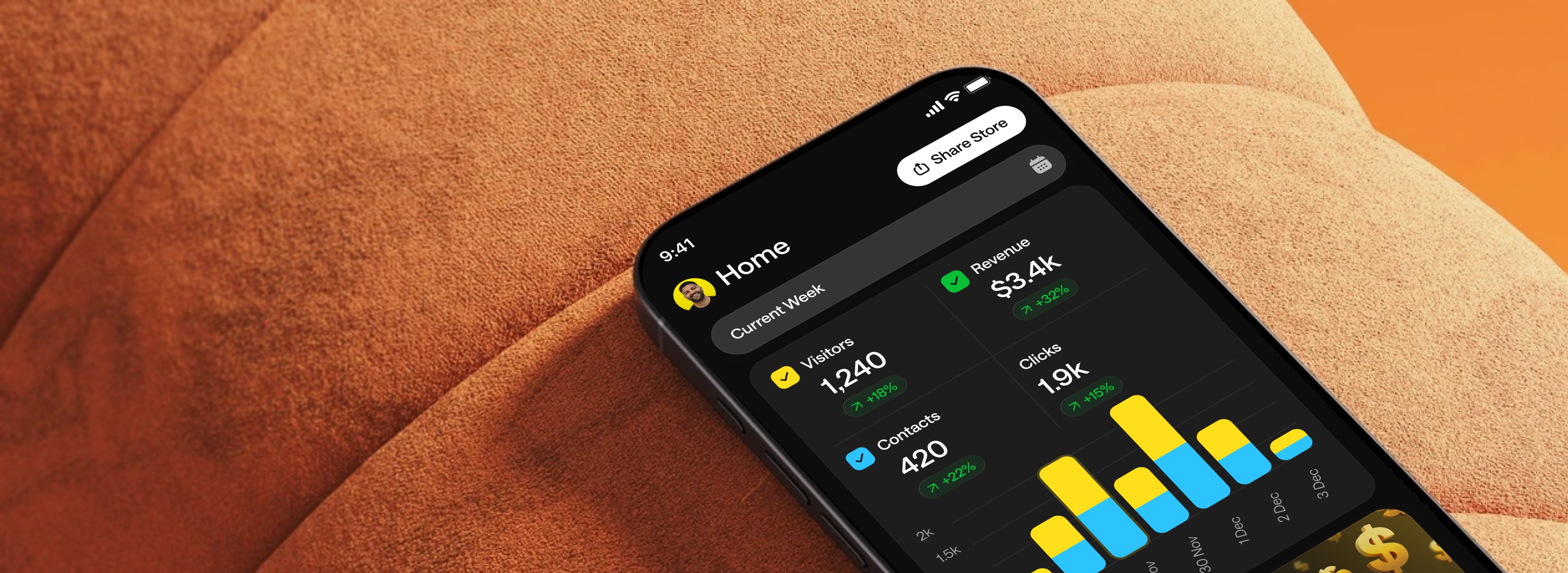
Track impression and vote count, but prioritize conversion-oriented metrics: click-through rate to your bio link, landing-page opt-ins, and downstream purchases. Polls that generate lots of votes but no clicks probably indicate curiosity, not buying intent. If you need more on how to read those metrics and iterate, consult the practical analytics walkthrough (analytics guide), and the piece on turning followers into an email list for capture strategies (list-building strategy).
One implementation note: don't rely solely on native profile clicks. Use a link-in-bio that supports segmentation and A/B destinations so you can measure which poll-driven traffic converts best (link-in-bio routing).
How to use Twitter polls creators — tactical prompts and sample wordings
Wording is critical. A small framing change can flip the result or the type of people who respond. Below are high-utility prompts that creators can adapt. These originate from real creator playbooks and have been refined through iteration.
Prompts for purchase-intent validation (binary):
"Would you pay $29 for a template that does X? Yes / No"
"Prefer: a live workshop or an on-demand course for learning Y? Workshop / Course"
Prompts for feature prioritization (binary):
"If you could only get one: A = faster setup, B = cheaper monthly cost. Which matters more? A / B"
"Add feature X or improve onboarding? Add X / Improve onboarding"
Prompts for audience segmentation (hybrid):
"Are you using tool Z in your workflow? Yes / No — if yes, reply with how you use it."
"Which describes you best: A = Freelancer, B = Agency (poll), then reply with niche."
When you post a poll, pair it with at least one sentence of context. A bare poll is weaker. Short context reduces misinterpretation and encourages replies that reveal motivation. For hooks that stop the scroll and drive engagement, the guide on writing Twitter/X hooks offers concise formulas you can pair with your poll (hooks guide).
Where polls fit in the creator growth stack and how to avoid strategic mistakes
Polls are a tactic inside a broader content-to-conversion framework. They don't replace threads, DMs, or email funnels; they supplement them by providing quick, public signals. Use them to validate micro-offers before you build. Use follow-up threads to demonstrate action. And use a reliable routing mechanism for interested followers.
Common strategic mistakes:
Relying on polls for customer discovery but skipping qualification steps — leads to low conversion rates.
Running polls without a repeatable cadence — fails to generate authority over time.
Using polls as the only call-to-action — misses out on people who need more touchpoints (email, product pages).
If you're building a creator business beyond social media, polls are one testing mechanism among many. The guide on moving from Twitter/X to a full funnel covers how to convert poll-validated ideas into real products and services (full-funnel guide).
Also, align poll cadence with posting frequency. If you post daily, a weekly poll might be too noisy; if you post three times a week, a bi-weekly or monthly poll gives you time to act. See the posting frequency research for norms and expectations (posting frequency).
Operational notes: tools, automation, and safety
Polls are native features, but your end-to-end system will likely use external tools: link-in-bio services, survey platforms, and analytics. Automation can help route poll responders into funnels (e.g., auto-tagging users who complete a survey), but automation brings risks. Over-automation without hygiene triggers account flags or produces poor user experience.
Best practice: automate routing (to segmented landing pages or email lists) but keep the human touch for higher-value conversions. If you automate creator growth, follow guardrails that reduce flagging risk and respect platform limits (automation guardrails).
For free tools to manage content and analyze your poll-driven traffic, the roundup on free tools is a practical starting point (free tools list).
FAQ
How many polls should I run each month without causing audience fatigue?
It depends on your posting cadence and niche engagement norms. A reasonable starting point for many creators is one substantive poll every 2–4 weeks, supplemented by smaller question posts or replies. If you run polls more often, ensure every poll produces visible value — a results thread, a resource, or a tested micro-offer — otherwise engagement will taper. Watch reply quality and opt for fewer, higher-quality polls if replies become generic or terse.
Can I trust poll percentages as a reliable proxy for buyer intent?
Not by themselves. Poll percentages indicate interest and relative preference, but they don’t measure willingness to pay or conversion friction. Use poll outcomes as a validation step, then add a low-friction qualifying mechanism (a brief survey, a waitlist, or a pricing anchor) to measure intent more accurately. Combine poll data with click-throughs and landing-page conversions for a fuller picture.
Should I always use two-option polls if I care about engagement?
Two-option polls are efficient when you need a decisive signal. But they’re not always the right choice. Use multi-option polls for exploratory discovery, and open questions when you need qualitative reasoning. The decision should map to your goal: precision and speed mean binary; nuance and exploration mean other formats. Also, mixing formats over time reduces fatigue.
How do I prevent off-niche amplification or poll-bombing from skewing results?
There is no perfect fix. The most practical approach is to funnel interested users into a controlled qualifier immediately after the poll (a landing page or short survey linked from your bio or a pinned tweet). That lets you capture meaningful contact data and filter out noise. Monitor unexpected spikes and flag irregular activity — if amplification comes from unrelated accounts, weight your interpretation accordingly rather than treating the result as representative.
What small changes to wording actually change poll quality?
Small framing shifts can dramatically affect participation and the type of responses. Anchor-based price prompts (listing a price) yield different signals than open willingness-to-pay questions. Asking “Would you pay $X?” brings out price sensitivity; “Would you try X if it existed?” captures curiosity. Also, keeping option labels concise reduces misinterpretation. Test wording variations over time and correlate which phrasing produces higher downstream clicks and conversions.
Additional reading: if you want to align poll-led discovery with longer-form threads and product launches, the thread formula and conversion frameworks at Tapmy provide tactical sequences and examples (thread formula, content-to-conversion framework).