" height="32.00002387147419px" id="gZXGZYql_" transform="translate(0 0)" width="33.17407881260548px"/><path d="M 2.085 0 C 2.398 0.09 2.616 0.346 2.862 0.551 C 4.463 1.882 5.328 4.198 4.692 6.221 C 4.23 7.692 2.854 8.429 1.559 9.077 C 0.984 9.294 0.604 9.374 0 9.506 C 1.261 7.006 2.053 5.972 0.077 3.616 C 0.93 2.522 1.608 1.302 2.085 0 Z" fill="rgb(255, 255, 255)" height="9.505700000000001px" id="cmY0ROQXE" transform="translate(26.962 11.764)" width="4.902088461320112px"/><path d="M 2.786 0.079 C 4.516 -0.195 6.882 0.235 8.153 1.529 C 9.314 2.711 9.449 4.074 9.45 5.641 L 8.055 4.448 C 7.13 3.7 6.366 3.236 5.22 2.863 C 2.88 2.103 1.689 2.46 0 0.491 C 0.949 0.332 1.831 0.191 2.786 0.079 Z" fill="rgb(255, 255, 255)" height="5.640822256039236px" id="QF25qHlEr" transform="translate(19.227 1.379)" width="9.450099999999999px"/><path d="M 5.655 0 C 5.917 0.113 5.862 0.633 5.911 1.004 C 6.04 2.045 6.387 3.046 6.929 3.943 C 5.131 4.63 3.592 5.19 1.733 4.47 C 0.726 3.926 0.319 3.27 0 2.213 C 2.759 1.595 3.154 1.371 5.655 0 Z" fill="rgb(255, 255, 255)" height="4.806175899027007px" id="kqgl_H_Bc" transform="translate(10.595 23.332)" width="6.928799999999999px"/><path d="M 0 0 C 0.65 0.017 1.138 0.041 1.491 0.654 C 3.245 3.701 4.719 4.269 8.278 3.546 C 7.879 3.861 7.49 4.137 7.076 4.431 C 6.222 4.957 5.254 5.271 4.254 5.345 C 1.023 5.561 0.155 2.656 0 0 Z" fill="rgb(255, 255, 255)" height="5.356585200702476px" id="A5o1AXt5e" transform="translate(7.901 25.553)" width="8.277719999999999px"/><path d="M 1.582 0 C 1.889 0.239 1.638 0.793 1.582 1.267 C 1.337 3.362 1.705 4.763 2.654 6.583 C 2.182 7.09 1.586 7.662 1.092 8.161 L 0.98 8.239 L 0.826 8.184 C -0.289 5.719 -0.489 2.026 1.582 0 Z" fill="rgb(255, 255, 255)" height="8.23884px" id="K4X1nlNhw" transform="translate(1.373 8.977)" width="2.6544824443243806px"/><path d="M 4.879 0 L 5.154 0.02 C 5.173 0.055 5.191 0.089 5.21 0.124 C 4.076 1.11 3.076 1.841 2.163 3.07 C 0.899 4.77 1.042 6.073 0.594 7.936 C -0.71 7.351 0.477 3.227 0.911 2.183 C 1.385 1.046 3.753 0.398 4.879 0 Z" fill="rgb(255, 255, 255)" height="7.93632px" id="iX1WuEJsS" transform="translate(4.258 5.422)" width="5.209503656189256px"/><path d="M 0.891 0 C 1.252 0.397 0.785 0.972 2.043 1.993 C 3.579 2.288 5.164 2.203 6.66 1.745 C 6.19 2.232 5.777 2.59 5.268 3.03 C 5.209 3.074 5.149 3.118 5.09 3.162 C 3.442 4.368 1.179 3.903 0 2.267 C 0.206 1.503 0.429 0.651 0.891 0 Z" fill="rgb(255, 255, 255)" height="3.840138803869854px" id="EYhSkzb98" transform="translate(10.639 14.254)" width="6.660399999999999px"/><path d="M 5.7 0 L 5.862 0.129 C 5.871 0.163 5.899 0.278 5.896 0.313 C 5.7 2.553 3.858 4.223 1.838 4.943 C 1.312 5.131 0.79 5.181 0.227 5.231 C 0.062 5.156 0.114 5.18 0 5.006 C 0.058 4.568 2.368 2.938 2.85 2.535 C 3.828 1.716 4.745 0.832 5.7 0 Z" fill="rgb(255, 255, 255)" height="5.230699999999999px" id="rR3aItzbE" transform="translate(20.021 22.535)" width="5.895938333146585px"/><path d="M 1.798 0.061 C 2.392 -0.019 3.597 -0.071 4.125 0.244 C 4.638 0.944 4.484 2.507 3.821 3.106 C 3.426 3.233 3.583 3.227 3.161 3.071 C 2.323 2.592 0.895 1.713 0 1.493 C 0.65 0.799 0.954 0.488 1.798 0.061 Z" fill="rgb(255, 255, 255)" height="3.1951027036145305px" id="IMle10bWj" transform="translate(15.146 10.535)" width="4.430712176398055px"/><path d="M 0.018 0 C 0.282 0.063 1.864 1.126 2.331 1.364 C 3.197 1.804 3.346 1.876 4.34 2.173 C 4.251 2.864 4.215 3.588 4.169 4.285 C 3.236 4.526 0.886 2.837 0.45 1.956 C 0.031 1.109 -0.041 0.914 0.018 0 Z" fill="rgb(255, 255, 255)" height="4.308168324411934px" id="pheoyshQj" transform="translate(2.312 19.986)" width="4.339817240842605px"/><path d="M 0 0.027 C 0.439 0.014 1.2 -0.035 1.608 0.043 C 3.315 0.369 2.426 2.559 2.106 3.651 C 2.035 3.895 2.003 4.098 1.809 4.257 C 0.598 4.238 0.09 0.995 0 0.027 Z" fill="rgb(255, 255, 255)" height="4.257278283966036px" id="y4SOtrApl" transform="translate(22.564 5.982)" width="2.6241732006357594px"/><path d="M 2.53 0 C 3.199 0.233 4.697 4.443 1.642 3.339 C 0.801 2.889 0.575 2.665 0 1.9 C 0.709 1.252 1.74 0.538 2.53 0 Z" fill="rgb(255, 255, 255)" height="3.5230979695442386px" id="taMdD9ETv" transform="translate(22.166 17.775)" width="3.4914692646924834px"/><path d="M 1.922 0 L 2.08 0.004 C 2.445 0.65 1.939 4.817 0.934 5.155 L 0.716 5.046 C -0.285 2.784 -0.525 1.194 1.922 0 Z" fill="rgb(255, 255, 255)" height="5.154800000000002px" id="udg1KI2m_" transform="translate(17.619 21)" width="2.1985109419737654px"/><path d="M 0.58 0 C 0.964 0.148 2.564 1.331 3.056 1.648 L 1.563 3.194 C 0.988 3.708 0.635 3.938 0 4.353 C 0.455 2.537 0.619 1.856 0.58 0 Z" fill="rgb(255, 255, 255)" height="4.353200000000001px" id="hiTtHQeFA" transform="translate(20.577 20.867)" width="3.055799999999998px"/><path d="M 0.966 0 C 1.582 0.047 3.874 0.689 3.937 1.412 C 3.75 1.663 3.405 1.698 3.09 1.773 C 2.282 1.958 0.27 2.516 0 1.461 C 0.092 0.94 0.569 0.343 0.966 0 Z" fill="rgb(255, 255, 255)" height="2.0860744736189787px" id="opNh2nfUr" transform="translate(13.15 13.09)" width="3.9368px"/><path d="M 3.076 0 L 3.294 0.079 L 3.342 0.207 C 2.908 1.051 2.415 1.797 1.984 2.692 C 1.434 3.834 1.003 5.282 0.264 6.258 C 0.071 6.168 0.14 6.22 0.007 6.032 C -0.126 4.485 1.706 0.885 3.076 0 Z" fill="rgb(255, 255, 255)" height="6.258489999999999px" id="EXvZ1NrdY" transform="translate(5.901 7.504)" width="3.3417542024784233px"/><path d="M 1.308 0 C 1.265 -0.04 2.536 3.529 2.776 4.008 C 2.361 3.821 2.001 3.628 1.6 3.413 C -0.431 2.074 -0.528 1.77 1.308 0 Z" fill="rgb(255, 255, 255)" height="4.007940350226239px" id="p5Vi1bLFm" transform="translate(3.356 16.691)" width="2.7756652348500186px"/><path d="M 0.588 0 C 0.712 0.037 0.813 0.085 0.929 0.142 C 1.465 0.403 1.872 0.872 2.054 1.44 C 2.263 2.103 2.018 2.498 1.384 2.679 L 0 3.028 C 0.272 2.132 0.442 0.93 0.588 0 Z" fill="rgb(255, 255, 255)" height="3.0282500000000008px" id="V_zCzpfyC" transform="translate(25.759 6.998)" width="2.126652647905342px"/><path d="M 2.102 0 C 2.802 0.107 3.532 0.768 4.104 1.212 C 2.902 1.364 2.267 1.509 1.163 2.011 C 0.824 2.209 0.36 2.545 0 2.48 C 0.031 1.997 1.687 0.41 2.102 0 Z" fill="rgb(255, 255, 255)" height="2.4884510228622325px" id="KgZLUphip" transform="translate(11.2 5.676)" width="4.1045px"/><path d="M 4.112 0.034 C 4.292 -0.019 4.317 -0.009 4.495 0.055 L 4.521 0.223 C 4.183 0.728 0.99 2.723 0.316 3.048 C 0.138 3.125 0.208 3.106 0 3.08 C 0.021 1.932 3.087 0.317 4.112 0.034 Z" fill="rgb(255, 255, 255)" height="3.1028650031226688px" id="qq3hk8yZK" transform="translate(10.785 7.828)" width="4.521000000000001px"/><path d="M 0.141 0.077 C 0.594 0.026 1.199 -0.069 1.623 0.081 C 2.341 0.337 3.29 0.695 3.403 1.535 L 3.219 1.757 C 2.961 1.841 2.676 1.923 2.409 1.857 C 1.834 1.715 0.306 0.711 0 0.221 Z" fill="rgb(255, 255, 255)" height="1.8810147921990854px" id="JXpIE1opf" transform="translate(15.32 4.703)" width="3.402700000000001px"/><path d="M 2.72 0.04 C 3.046 -0.001 3.15 -0.015 3.474 0.019 C 3.811 0.283 3.818 0.442 3.722 0.835 C 3.251 1.286 1.932 1.16 1.172 1.177 C 0.817 1.19 0.234 1.272 0 0.991 C 0.298 0.535 2.175 0.141 2.72 0.04 Z" fill="rgb(255, 255, 255)" height="1.1983903643415106px" id="QP7_JZRtq" transform="translate(8.995 3.061)" width="3.775186453050104px"/><path d="M 0.193 0.028 C 1.37 0.006 2.502 -0.021 3.681 0.027 C 3.223 0.275 2.628 0.465 2.13 0.642 C 1.505 0.923 0.737 1.461 0.147 1.026 C -0.012 0.632 -0.1 0.34 0.193 0.028 Z" fill="rgb(255, 255, 255)" height="1.189605127915172px" id="hp2lulSqL" transform="translate(9.97 23.156)" width="3.6805205061196204px"/><path d="M 1.023 0.05 C 1.923 -0.054 2.723 0.02 3.611 0.123 C 3.049 0.38 2.64 0.478 2.041 0.637 C 1.403 0.827 0.635 0.996 0.014 0.719 L 0 0.546 C 0.275 0.253 0.639 0.176 1.023 0.05 Z" fill="rgb(255, 255, 255)" height="1px" id="BmzCHBA2O" transform="translate(12.984 20.51)" width="3.610699999999998px"/><path d="M 0.008 0 C 0.119 0.008 0.23 0.024 0.339 0.046 C 1.337 0.256 1.337 1.625 1.15 2.409 C 0.376 2.243 -0.065 0.695 0.008 0 Z" fill="rgb(255, 255, 255)" height="2.4094000000000015px" id="tsSE_BCay" transform="translate(25.73 16.309)" width="1.2458836048739457px"/><path d="M 1.441 0 C 1.549 0.032 1.598 0.072 1.694 0.13 C 1.849 0.779 0.893 1.983 0.316 2.281 C -0.694 1.786 1.001 0.423 1.441 0 Z" fill="rgb(255, 255, 255)" height="2.2813999999999997px" id="mFThfbOIR" transform="translate(24.705 11.035)" width="1.7107771516854555px"/><path d="M 0.141 0 C 1.206 0.231 0.974 1.087 0.864 1.994 C 0.686 1.994 0.499 1.983 0.321 1.976 C -0.202 1.571 0.05 0.579 0.141 0 Z" fill="rgb(255, 255, 255)" height="1.9940006770252907px" id="XFco5JL0X" transform="translate(7.804 22.531)" width="1px"/><path d="M 0.06 0.003 C 0.443 -0.011 0.745 0.019 1.018 0.308 C 1.167 0.605 1.121 0.707 1.042 1.04 C 0.621 1.007 0.402 0.977 0.105 0.675 C -0.03 0.37 -0.023 0.328 0.06 0.003 Z" fill="rgb(255, 255, 255)" height="1.0400327079323755px" id="w2Z9lCByC" transform="translate(16.894 2.666)" width="1.115859328834759px"/><path d="M 0 0.007 C 0.797 -0.068 1.456 0.475 1.871 1.112 C 1.087 1.119 0.44 0.625 0 0.007 Z" fill="rgb(255, 255, 255)" height="1.1116551820404172px" id="kl2V_0pZ0" transform="translate(19.418 7.047)" width="1.8714000000000013px"/><path d="M 0 0 L 11.42 0 L 11.42 1.52 L 6.58 1.52 L 6.58 14.24 L 4.84 14.24 L 4.84 1.52 L 0 1.52 Z M 18.664 12.94 L 19.244 12.94 L 19.244 14.24 C 18.978 14.28 18.684 14.3 18.364 14.3 C 17.284 14.3 16.704 13.807 16.624 12.82 C 15.904 13.927 14.784 14.48 13.264 14.48 C 12.131 14.48 11.238 14.22 10.584 13.7 C 9.944 13.167 9.624 12.42 9.624 11.46 C 9.624 9.593 10.898 8.527 13.444 8.26 L 14.924 8.1 C 16.004 7.98 16.544 7.507 16.544 6.68 C 16.544 6.107 16.364 5.693 16.004 5.44 C 15.658 5.187 15.064 5.06 14.224 5.06 C 13.331 5.06 12.684 5.213 12.284 5.52 C 11.898 5.813 11.678 6.34 11.624 7.1 L 10.024 7.1 C 10.158 4.82 11.558 3.68 14.224 3.68 C 16.811 3.68 18.104 4.68 18.104 6.68 L 18.104 12.44 C 18.104 12.773 18.291 12.94 18.664 12.94 Z M 13.344 13.12 C 14.198 13.12 14.944 12.86 15.584 12.34 C 16.224 11.833 16.544 11.107 16.544 10.16 L 16.544 8.94 C 16.251 9.167 15.798 9.313 15.184 9.38 L 13.684 9.56 C 12.818 9.667 12.198 9.867 11.824 10.16 C 11.464 10.453 11.284 10.873 11.284 11.42 C 11.284 11.953 11.458 12.373 11.804 12.68 C 12.151 12.973 12.664 13.12 13.344 13.12 Z M 25.314 3.68 C 26.767 3.68 27.934 4.167 28.814 5.14 C 29.681 6.127 30.114 7.44 30.114 9.08 C 30.114 10.707 29.681 12.013 28.814 13 C 27.934 13.987 26.767 14.48 25.314 14.48 C 23.834 14.48 22.681 13.907 21.854 12.76 L 21.854 18.16 L 20.254 18.16 L 20.254 3.92 L 21.774 3.92 L 21.774 5.52 C 22.601 4.293 23.781 3.68 25.314 3.68 Z M 25.114 13.04 C 26.114 13.04 26.914 12.68 27.514 11.96 C 28.127 11.227 28.434 10.24 28.434 9 C 28.434 7.787 28.134 6.84 27.534 6.16 C 26.947 5.467 26.141 5.12 25.114 5.12 C 24.101 5.12 23.294 5.467 22.694 6.16 C 22.094 6.853 21.794 7.827 21.794 9.08 C 21.794 10.32 22.094 11.287 22.694 11.98 C 23.294 12.687 24.101 13.04 25.114 13.04 Z M 42.472 3.68 C 43.592 3.68 44.458 4.007 45.072 4.66 C 45.698 5.3 46.012 6.16 46.012 7.24 L 46.012 14.24 L 44.412 14.24 L 44.412 7.4 C 44.412 5.88 43.692 5.12 42.252 5.12 C 41.492 5.12 40.858 5.427 40.352 6.04 C 39.858 6.64 39.612 7.493 39.612 8.6 L 39.612 14.24 L 38.012 14.24 L 38.012 7.4 C 38.012 5.88 37.292 5.12 35.852 5.12 C 35.105 5.12 34.478 5.427 33.972 6.04 C 33.465 6.64 33.212 7.493 33.212 8.6 L 33.212 14.24 L 31.612 14.24 L 31.612 3.92 L 33.132 3.92 L 33.132 5.44 C 33.812 4.267 34.805 3.68 36.112 3.68 C 37.658 3.68 38.718 4.327 39.292 5.62 C 40.012 4.327 41.072 3.68 42.472 3.68 Z M 52.581 8.2 L 54.041 3.92 L 55.781 3.92 L 51.421 15.86 C 51.114 16.727 50.694 17.333 50.161 17.68 C 49.627 18.04 48.927 18.22 48.061 18.22 C 47.767 18.22 47.447 18.2 47.101 18.16 L 47.101 16.82 L 48.041 16.82 C 48.961 16.82 49.587 16.393 49.921 15.54 L 50.281 14.58 L 46.401 3.92 L 48.161 3.92 L 49.621 8.22 C 50.141 9.74 50.634 11.227 51.101 12.68 C 51.487 11.44 51.981 9.947 52.581 8.2 Z" fill="rgb(3, 3, 3)" height="18.220000076293946px" id="glUGDzk9A" transform="translate(38.574 9.76)" width="55.78079879760742px"/></svg>)



" height="21.95706114703747px" id="qM5sFNDIS" transform="translate(3.459 1.023)" width="17.081538493872166px"/></svg>)
" height="16.041644077985946px" id="vPwWmgEb7" transform="translate(2.375 4.207)" width="19.249983003077222px"/></svg>)
" width="20px"><path d="M 0 20 L 0 0 L 20 0 L 20 20 Z" fill="transparent" height="20px" id="Iu2kCeaUT" width="20px"/><path d="M 4.531 6.206 L 0.253 6.206 L 0.253 19.08 L 4.531 19.08 Z M 2.393 4.449 C 3.884 4.449 4.813 3.46 4.813 2.224 C 4.785 0.961 3.884 0 2.421 0 C 0.957 0 0 0.961 0 2.224 C 0 3.46 0.929 4.449 2.364 4.449 Z M 11.178 19.08 L 11.178 11.89 C 11.178 11.506 11.206 11.121 11.319 10.847 C 11.628 10.077 12.333 9.281 13.515 9.281 C 15.063 9.281 15.682 10.462 15.682 12.193 L 15.682 19.08 L 19.961 19.08 L 19.961 11.698 C 19.961 7.744 17.85 5.904 15.034 5.904 C 12.765 5.904 11.747 7.152 11.178 8.029 L 11.178 6.206 L 6.899 6.206 C 6.956 7.414 6.899 19.08 6.899 19.08 Z" fill="rgb(0, 0, 0)" height="19.079659942779543px" id="hzLTqQuQE" transform="translate(0.02 0.461)" width="19.960870207061767px"/></g></svg>)
" height="18px" id="TrPl6m2Z8" transform="translate(1.75 3)" width="20.5px"/></svg>)
Key Takeaways (TL;DR):
Shift to Performance: Brands are increasingly prioritizing predictable conversions (clicks, sales, and saves) over simple reach, giving mid-tier creators with high-intent audiences a competitive edge.
Data-Driven Media Kits: Effective kits should move beyond follower counts to include UTM-tracked click-through rates, conversion data, and case studies that explain the narrative from brief to outcome.
Defensible Pricing: Rates should be structured into three components: creative production fees, distribution fees based on audience access, and performance bonuses tied to tracked results.
Operational Discipline: Using systematic tracking—such as unique UTM parameters and mobile-optimized landing pages—is essential to prevent attribution failure and prove creator value.
Portfolio Revenue Model: Successful creators should balance income through a mix of flat-fee brand activations, long-term ambassadorships, affiliate revenue, and owned digital products.
Niche Authority: Tightening a vertical niche increases 'buyer intent,' allowing creators to justify higher rates as brands reclassify the spend from 'awareness' to 'acquisition.'
Why mid-tier creators win when brands measure business outcomes
Most brand teams no longer pay for reach alone. They pay for predictable behavior: clicks, conversions, and repeat customers. That shift favors creators between 10K and 200K followers. In practice, Instagram influencer strategy for mid-tier creators is less about viral reach and more about conversion mechanics — tight niches, repeat audiences, and measurable signals that map to the marketer's funnel.
Engagement rates are one part of the story. Mid-tier creator Instagram accounts typically show higher meaningful engagement — comments that indicate intent, saves that signal longer-term interest, and story interactions that can be retargeted. Those interactions translate into better ad-lookalike audiences and more efficient audience acquisition for brands. The result: brands often see stronger ROI from partnerships with smaller creators than from single mega-influencer spots (this is a repeatedly observed pattern across campaigns, not a universal rule).
Still, causality is messy. A neat correlation exists between audience size and engaged segment depth: the smaller and more homogeneous the audience, the easier it is to extract a consistent conversion rate. But confounding variables persist — content quality, platform variables, product-market fit, and how the creator frames offers. Brands care about predictability. Mid-tier creators can provide that predictability if they structure campaigns as measurable marketing activities instead of one-off celebrity endorsements.
For practical guidance on content and algorithm alignment that supports predictable outcomes, the parent framework lays out broader tactics. If you want the operational side of content timing and format (which heavily affects conversion windows), our analysis of posting schedules and formats is useful: best times to post by niche and the piece on Reels strategy in 2026.
What brands actually want — and how your media kit should prove it
Brands rarely ask for follower counts alone. They want evidence that your audience will act. The media kit becomes a dossier: behavioral proof, not fluff. Put raw facts up front. Include click-throughs, conversion rates from past campaigns, typical CPM/CPA ranges you’ve produced (show the math), and a short case blurb where you outline the exact steps you executed and the attribution you used.
Many creators over-index on vanity metrics: follower totals, impressions, or best-performing post screenshots. Those are useful, but incomplete. Here’s what to prioritize instead:
Traffic and link performance (UTMs and link clicks)
Conversion outcomes (sales, sign-ups, trials) with clear attribution windows
Audience composition: percent repeat engagers, top geographies, and platform behaviors
Past campaign formats and the creative brief that led to the result
A structured media kit should make it straightforward for a brand marketer to drop your numbers into their forecasting model. That means you must track at campaign-level granularity. If you're not using UTM parameters systematically, campaigns will look noisy. See the technical guide on how to set them up: how to set up UTM parameters.
What brands ask for | What mid-tier creators often provide | What brands actually need to evaluate offers |
|---|---|---|
Audience size | Follower count and reach estimates | Active audience (weekly viewers), demographic slices, and top platforms |
Engagement | Like counts and a few comments screenshot | Engagement rate by post type, sentiment analysis, and action-oriented interactions (saves, shares, swipe-ups) |
Campaign outcomes | Vanity metrics, rough revenue statements | Attributed clicks, conversion rate, LTV or repeat purchase behavior where available |
Creative examples | Top-performing posts | One short case narrative: brief brief → KPI → creative asset → outcome |
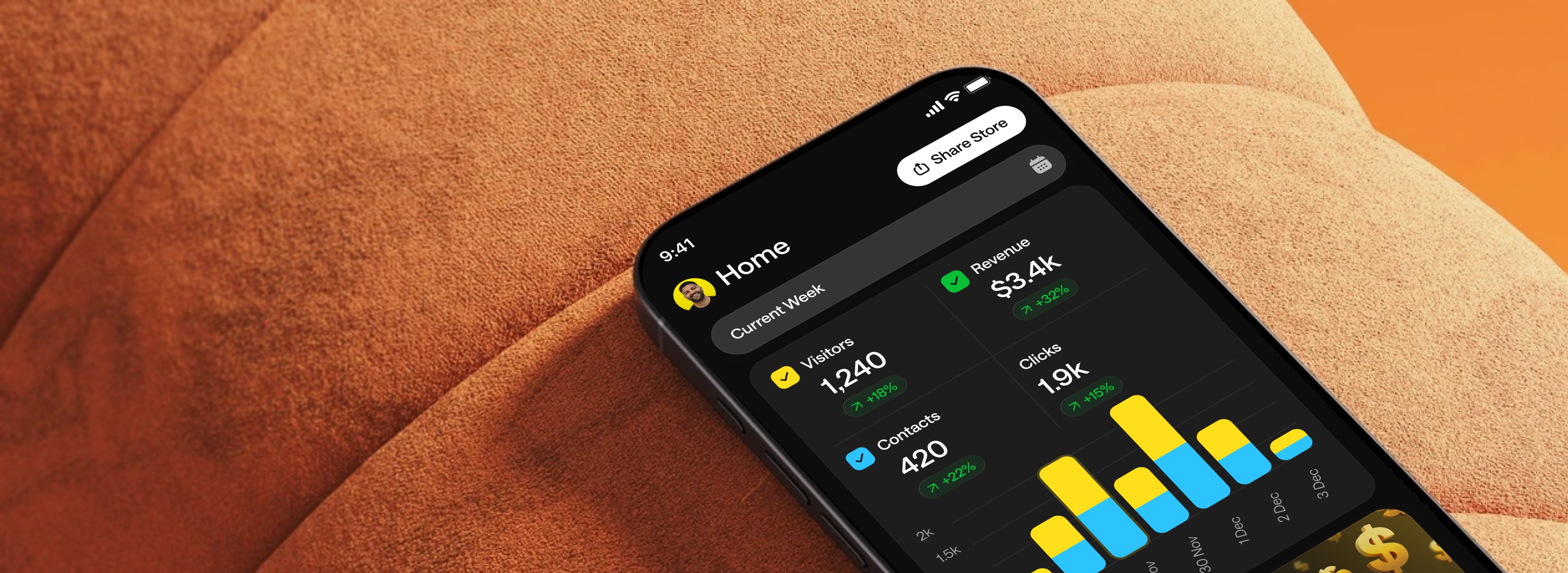
Tools can tighten that dossier. For example, clean attribution (click-through, conversion, link-in-bio traffic) materially increases a campaign’s credibility. Tapmy’s framing — the monetization layer as attribution + offers + funnel logic + repeat revenue — helps when you explain to brands how a collaboration will slot into their funnel without them guessing where the conversion will come from.
If you need help interpreting your Instagram analytics into the numbers marketers use, read: how to use Instagram analytics to improve your content strategy.
Rate calculation framework: how to price and justify fees
There’s no single universal rate card. Still, a defensible framework reduces underpricing and gives brands an offer they can evaluate against alternatives. Start by separating your price into three components:
Content production and creative fee (time, editing, asset rights)
Distribution fee (audience access — adjusted by expected reach and engagement)
Performance upside (bonus or revenue-share tied to tracked conversions)
Broken down this way, negotiation becomes arithmetic. The brand can accept or re-weight each component. If they cut the distribution fee, propose a higher performance upside. That’s easier to justify when you have attribution that links clicks to conversions.
Follower band | Common negotiation focus | Typical brand expectation |
|---|---|---|
10K–50K | High engagement; small niche; emphasis on conversion | Lower flat fees, higher CPA/affiliate focus |
50K–150K | Scalable reach; reliable content cadence; mix of brand-building + conversions | Balanced flat fee + performance bonus; recurring campaign opportunities |
150K–200K | Broader reach; expectations toward professionalism and deliverables | Higher flat fees, stricter usage rights, potential exclusivity clauses |
Build pricing scenarios in your media kit. Present a conservative case, a base-case, and a stretch case. Show the math behind each — expected impressions, estimated click-through rate, and conversion assumptions. Use ranges; be explicit about assumptions. Brands prefer transparent modeling to vague claims.
Example snippet (simple): "Base case: 5% engagement rate on Story with swipe-up CTR 2% → expected clicks = followers × 0.05 × 0.02. If historical conversion from clicks is 4%, state the expected sales and associated CPA." Don’t invent numbers; use your past campaign averages. If you don’t have campaign-level revenue, run a low-risk soft launch for a product or affiliate link to create a baseline (see: soft-launch guide).
Finally, anchor conversations around CPA when you can. That’s the language most CMOs understand. If you can present a historical CPA or a confidential benchmark from a past partner (and your attribution proves it), you’ll be negotiating from a stronger position.
Common failure modes in campaigns and how they show up in real life
Campaigns fail for many mundane reasons. Not dramatic platform bans or one-off creative flops — simple operational faults. Below are recurring failure patterns that mid-tier creators should plan for.
What people try | What breaks | Why it breaks |
|---|---|---|
Single-post sponsorship with a short CTA | No measurable lift in conversions | Insufficient touchpoints; the audience needs multiple exposures to decide |
Using a non-tracked bio link for a sale | Zero attribution, disputed results | No UTM/link tracking; brand can't connect sales to you |
Agreeing to broad usage rights for a low fee | Future revenue opportunities lost | Over-committing on asset licensing without fair compensation |
Running paid ads without coordinating with the brand | Ad targeting cannibalizes organic conversion or violates terms | No aligned brief; creatives split audience signals |
A few concrete examples from campaign post-mortems:
1. A creator posted a one-off Reel promoting a DTC product. Likes were high; clicks were low. Why? The call-to-action was buried in the caption and the creator sent traffic to a non-mobile-optimized landing page. In other words, the funnel broke outside Instagram.
2. Another creator offered a discount code but shared it across multiple channels without unique tracking. The brand counted total sales and attributed them to a combined campaign, making it impossible to allocate spend by channel. The result: less clarity on the creator's marginal value and lower future budget.
Operational discipline matters. Track everything. Use separate URLs or UTM parameters per placement. If you intend to use affiliate links or revenue-share models, pair them with visible click metrics so the brand can reconcile payouts (see: affiliate link tracking).
Recurring partnerships and portfolio monetization: balancing growth with paid work
Mid-tier creator Instagram accounts must solve two conflicting problems simultaneously: grow an audience and service brand partners. The tension is real. High-frequency sponsored posts can alienate followers. Overly cautious creators stall revenue growth. There’s no perfect balance, but several approaches reduce friction.
First, adopt a portfolio approach to revenue. Don’t rely on one revenue stream. Mix campaign types — short brand activations, longer-term ambassador relationships, affiliate programs, and productized offers like workshops or digital downloads. Portfolio thinking smooths income volatility and lets you say no to poor fit offers.
Second, structure recurring partnerships around audience value rather than single-hit promotion. Brands that view creators as a long-term channel will invest in experiments: a short-term paid push followed by sustained content and community activations. Those programs require discipline: periodic reporting, agreed attribution windows, and shared KPIs.
Third, make growth work for the partnership. Cross-promote non-competing brand partners across formats (Reels, Stories, Broadcast Channels) and platforms. For instance, repurpose a branded Reel into a longer YouTube explanation or a Pinterest pin that drives back to the campaign landing page. Cross-platform traffic inflates the top-of-funnel in predictable ways — and you can show the projection if you keep tracking.
Practical resources for cross-platform growth include our guides on using Pinterest and YouTube as traffic drivers (Pinterest & YouTube traffic drivers) and tactics for converting followers into owned channels like email (turn followers into an email list).
A recurring problem: creators accept exclusivity for short-term gains and then find it limits sponsor mix down the line. If you sign exclusivity clauses (even for categories), insist on clear time limits, defined geographies, and compensatory premium. Otherwise you’re trading optionality for a narrow check today.
Niche specificity and audience calibration: how to raise your deal rates without growing your follower count
Niche specificity compresses buyer intent. A focused vertical — say, minimalist kitchen gadgets for apartment cooks — produces higher conversion per impression than a broad lifestyle feed. That means a creator can increase rates by proving tighter intent, not by chasing follower growth.
There are practical levers you can adjust:
Content taxonomy: organize your feed so that a brand can see your vertical focus quickly (use highlights, pinned posts, content pillars)
Audience signals: share demographic slices and product affinities in your media kit
Campaign design: propose category-specific activations where creative tastefully emphasizes use-cases and comparative advantages
For creators unsure about tightening a niche, test sideways. Keep some "explainer" content while increasing frequency of vertical posts. Measure the behavior differences. If your conversion-per-post improves as your niche clarity increases, you have the evidence to raise rates.
Tools and experiments that help include split-testing formats (we’ve documented operational A/B testing techniques in: Instagram A/B testing) and using broadcast channels for polling and direct offers (broadcast channels guide).
Market perception matters. Niches make it easier for brands to justify higher CPAs: if they can point to a consistent audience intent signal, internal procurement teams will reclassify the spend as acquisition rather than awareness, which unlocks higher budgets.
Operational checklist: what to instrument before you pitch
Pitching without instrumentation is guesswork. Prepare these items before sending the first outreach message:
Unique UTMs per campaign and placement (UTM setup)
Landing pages optimized for mobile and for the campaign use-case
Clickable links with reliable redirection (no expired shortlinks)
Historical case snippets with attribution windows and creative specifics
An agreed reporting cadence and data format for the brand (CSV, dashboard, or both)
Pitching is easier if you can hand a marketer a spreadsheet that maps impressions to clicks to conversions by date and asset. If you don’t yet have a platform for tidy attribution, standardize your processes: unique links, short-lived promo codes, and time-boxed CTA windows. These simple constraints make attribution feasible even without advanced tooling.
When you're ready to scale instrumentation and want to show clean attribution data to brand partners, consider the benefits of a system that combines link tracking, conversion events, and offer funnel logic. That is how creators present themselves not as a social personality but as a measurable channel (see broader context in the parent research: Instagram growth in 2026).
Decision matrix: When to ask for flat fee vs performance share
Scenario | Sign you have | Recommended ask | Why |
|---|---|---|---|
New product, low brand recognition | Small historical conversion; high creative lift needed | Base flat fee + performance bonus | Compensates production effort while aligning incentives for discovery |
Established brand, repeat campaigns | Historical conversion data exists; brand wants scale | Higher flat fee; lower performance share | Brand values predictable execution; creator deserves retention premium |
Affiliate-friendly DTC product | Clear SKU-level margins; affiliate infrastructure exists | Performance share with minimum guarantee | Aligns with product economics; lowers initial risk for brand |
Product with long purchase cycle | High AOV; conversions take weeks | Flat fee + extended attribution window for bonuses | Performance lag makes short-term CPA unreliable |
These are qualitative guidelines. Use them to create two or three offer shapes in your outreach emails. Be explicit about attribution windows and how you’ll measure success. Brands will test for a short period and expect scaling if the signals validate.
Practical pitching workflow that actually gets replies
Cold pitching is noisy. You need a workflow that reduces cognitive load for the recipient and makes the value proposition obvious in under 20 seconds. Try this structure:
One-sentence hook referencing a recent brand move or campaign
Two-sentence value proposition that includes a concrete metric (CTR, conversion, or a case result)
Three quick offer shapes (flat fee option, affiliate/performance option, and a pilot test)
One clear ask: a 15-minute alignment call or a request for campaign KPIs
Attach a one-page media kit. Make every number defensible and linked to a source. If you can, provide a sample tracking plan — a line-item that shows which UTMs you’ll use and what success dashboard the brand can expect.
Proactive pitching beats waiting, but not indiscriminate outreach. Personalize. Send fewer proposals with better instrumentation. For content cadence that supports a steady stream of pitching without burning your creative pipeline, see the content calendar guidance: how to build an Instagram content calendar.
Portfolio growth: combining products, affiliate, and brand work
Successful mid-tier creators usually have three income pillars: recurring brand partnerships, affiliate-based revenue, and owned products or services. The portfolio reduces risk and increases leverage in negotiations—you can walk away from a bad brand deal because your other lines cover short-term revenue.
Start small with productized offers: a low-friction workshop, a PDF guide, or a tool relevant to your niche. Test offers to your most engaged subset using broadcast or Stories polls (targeted soft-launch techniques are documented here: signature offer case studies and soft-launch guide).
Affiliate programs can bridge the gap while you develop original products. But don’t treat affiliates as purely passive. Track affiliate link performance rigorously and regularly pull insights to improve creative. If affiliates consistently underperform relative to paid campaigns, reconsider commission splits or the promotional format.
Lastly, link management matters. Use a stable link-in-bio approach and choose the product flow that preserves attribution. If selling products, evaluate checkout solutions carefully (see comparisons such as Linktree vs Stan Store).
Platform and execution constraints you must accept
Instagram is not a closed system you control. Algorithm shifts, policy changes, and new formats can suddenly change relative performance across Reels, carousels, and Stories. You must accept variability. That said, predictable processes reduce variance.
Operational constraints that regularly affect campaigns:
Platform throttling — sudden reach drops unrelated to content quality
Creative approval delays — brands that require multiple sign-offs slow timelines
Attribution window mismatches between brand analytics and your tracking
Geographic or payment restrictions for some affiliate programs
Plan for them. Build contract buffers (timing, usage rights), and include clear turnaround expectations in briefs. Where possible, coordinate paid amplification with the brand to reduce platform-induced anomalies. For help understanding algorithmic leverage points (which will affect content selection and timing), see: how the Instagram algorithm works.
FAQ
How do I prove conversion performance if I haven’t sold a paid campaign before?
Run a low-cost, short-duration experiment. Use a small digital product, affiliate link, or a tracked discount code. Keep the funnel tight: an intentional landing page, a single CTA, and UTMs. Document everything and present the test as an explicit pilot in pitches — brands prefer seeing a prior experiment, even if small, over broad claims.
When should I insist on an attribution window longer than 48 hours?
Ask for a longer window when the product has a longer purchase decision cycle or when traffic comes from consideration-heavy formats (like long-form video). For higher-ticket items or products where customers research before buying, a 7–30 day attribution window is common. Be explicit about what actions qualify as an attributed conversion and how you'll share interim reporting.
Is it better to ask for a flat fee or to push for affiliate revenue as a mid-tier creator?
Neither is strictly better. Choose based on signal strength. If you have strong historical click-to-convert data, negotiate for affiliate or performance share plus a minimum guarantee. If your audience responds more to brand-building than direct sales, favor a higher flat fee. Hybrid models — a base fee plus a bonus for performance — are often the easiest to get across the line.
How do I manage audience trust when running multiple brand deals?
Maintain a consistent content cadence that prioritizes value to your audience. Be selective: campaigns should align with your niche and your followers’ explicit interests. Disclose partnerships transparently and favor formats that demonstrate use rather than pure endorsement (tutorials, comparisons, and long-form Stories). Balance sponsored content with at least two non-sponsored, audience-first posts per sponsored post.
What attribution issues should I raise with brands before signing a deal?
Clarify tracking methods (UTMs, promo codes, affiliate links), the attribution window, reporting format, and what counts as a conversion. Agree on how disputes will be handled and whether any third-party measurement will be used. If you can provide synchronized dashboards or exportable CSVs, include that capability in the contract to avoid reconciliation disputes later.